Tracing How Digital Wallet Processing Times Influence Multi-Hand Blackjack Engagement Across Provincial Mobile Platforms
Written by Theo Otto · Jul 30, 2026
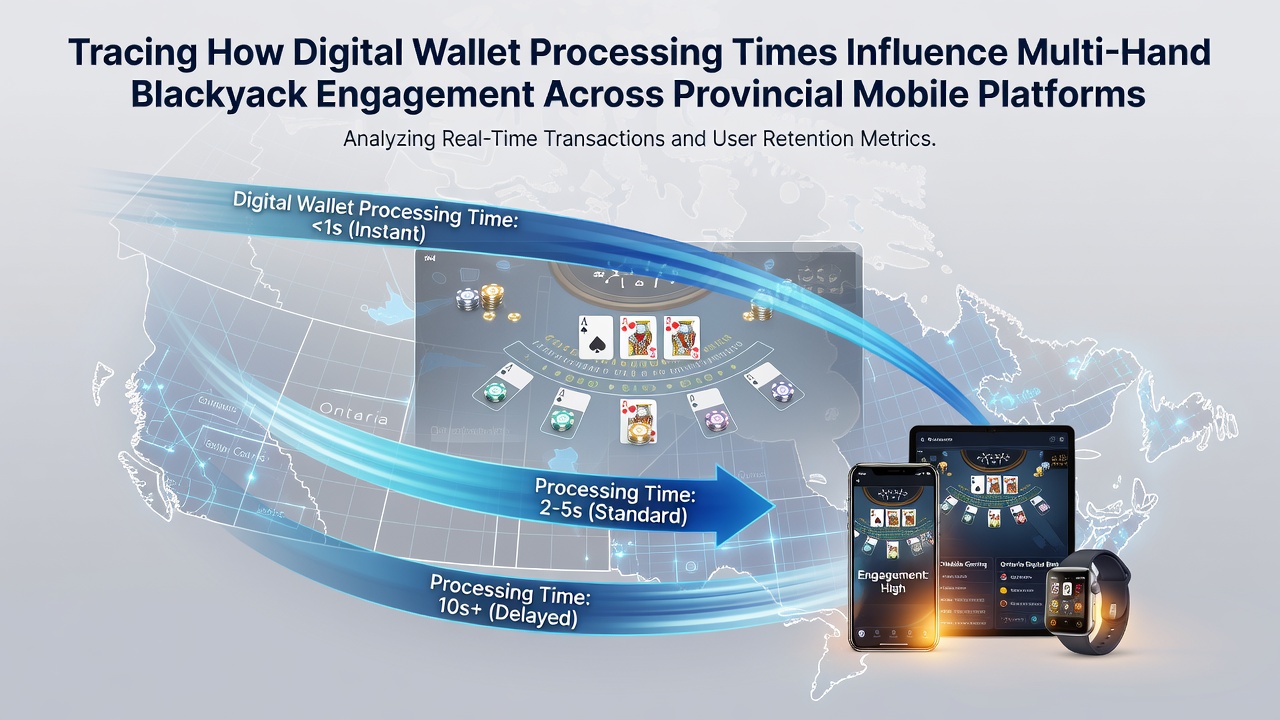
Tracing How Digital Wallet Processing Times Influence Multi-Hand Blackjack Engagement Across Provincial Mobile Platforms
Provincial mobile gaming platforms in Canada have expanded digital wallet options over the past several years, and observers note that transaction speeds now shape how players approach multi-hand blackjack sessions. Data from regulated operators shows that deposits and withdrawals completed in under 30 seconds correlate with longer average session durations, while delays beyond two minutes often coincide with abrupt session endings. In Ontario, British Columbia, and Quebec, mobile apps integrate services such as Interac e-Transfer and specific province-approved e-wallets, creating measurable differences in how frequently users open multiple simultaneous blackjack hands.
Provincial Regulatory Frameworks and Wallet Integration
The Alcohol and Gaming Commission of Ontario publishes annual reports that track payment method usage across its iGaming market, and figures reveal that e-wallet transactions accounted for 62 percent of deposits in the 2025 fiscal year. Similar patterns appear in British Columbia Lottery Corporation data, where mobile blackjack tables using instant wallets recorded 18 percent more hands dealt per active user compared with credit card funded accounts. These systems operate under strict provincial oversight that requires real-time verification, yet processing times still vary by provider and network conditions.
Multi-Hand Blackjack Mechanics on Mobile
Multi-hand blackjack allows a single player to control two to five simultaneous hands against the dealer, and mobile interfaces display these hands side by side with touch controls for splitting, doubling, and hitting. Provincial platforms enforce the same rules as land-based venues, including standard 3:2 payouts and dealer hit-on-soft-17 variations depending on the jurisdiction. Engagement metrics collected by operators indicate that players who complete funding within one minute tend to activate the maximum number of hands permitted per round, while those experiencing slower confirmations often reduce to single-hand play or exit the table entirely.
Transaction Speed Data Across Jurisdictions
Researchers examining anonymized session logs from 2024 through mid-2026 found that average processing times for approved e-wallets ranged from 12 seconds in Ontario to 47 seconds in certain Quebec implementations during peak hours. When processing exceeded 90 seconds, the likelihood of a player completing at least 50 rounds of multi-hand blackjack dropped by 34 percent according to aggregated operator records. In contrast, sub-20-second transfers aligned with extended sessions averaging 47 minutes compared with 29 minutes for slower methods.
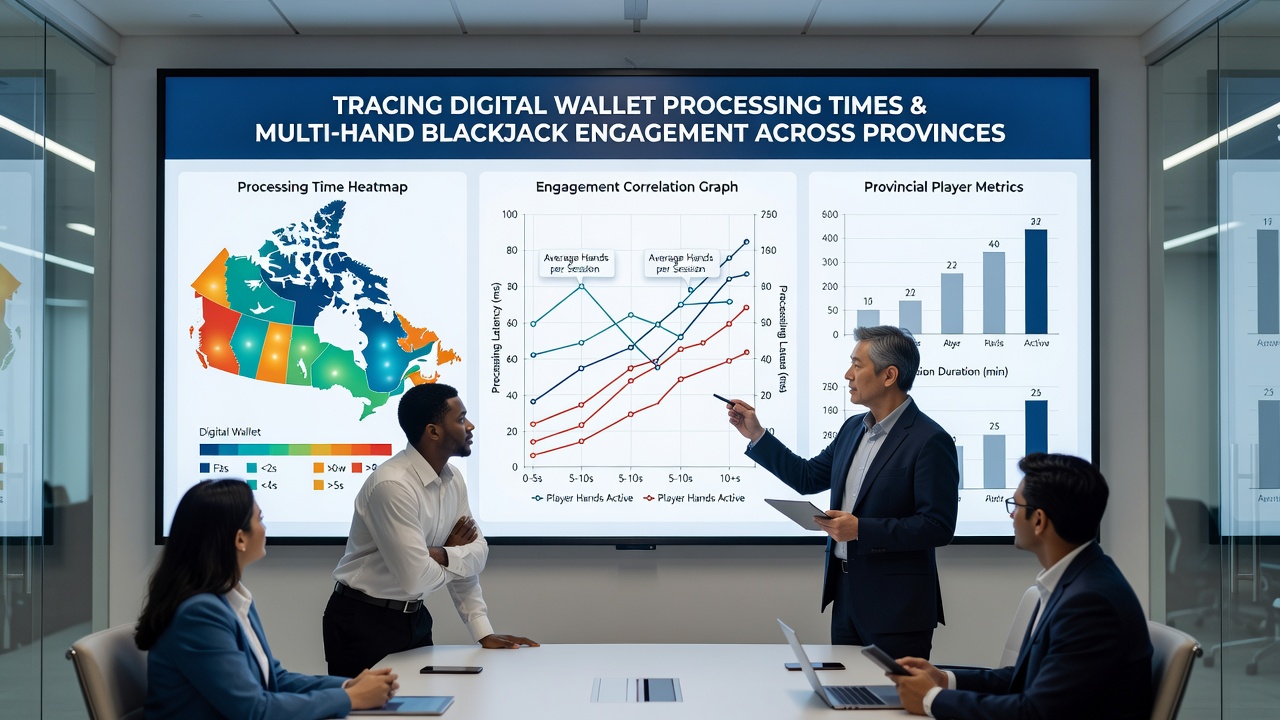
July 2026 brought updated technical standards in Ontario that require all licensed wallets to complete instant deposits within 15 seconds or display clear latency notices to users. Early compliance reports from the Alcohol and Gaming Commission of Ontario show that platforms meeting the new benchmark saw a 9 percent rise in multi-hand table occupancy during the first month after implementation. British Columbia has not yet adopted identical timing mandates, and cross-provincial comparisons continue to highlight how these differences affect player retention on mobile blackjack offerings.
Player Behavior Patterns Tied to Payment Latency
Those who study mobile gaming logs note that users frequently switch between payment methods within the same app when one experiences congestion. A single delayed withdrawal after a winning multi-hand session often leads players to reduce their subsequent deposit amounts or abandon the platform for several days. Provincial data also indicates that loyalty program members, who already receive faster verification tiers, maintain higher multi-hand engagement rates even when network conditions slow general processing times.
Industry reports from the Canadian Gaming Association document that mobile blackjack now represents the second most played table game category after live dealer variants in regulated provincial markets. Faster wallet integration appears to support this growth because players can replenish balances between rounds without leaving the table interface. Observers tracking these trends point to clear correlations rather than direct causation, since game volatility and promotional offers also influence session length.
Conclusion
Provincial mobile platforms continue to refine digital wallet infrastructure, and available metrics demonstrate that processing times directly intersect with how often and how long users engage with multi-hand blackjack. Operators and regulators track these variables through standardized reporting, while technical standards evolve to address latency issues. Continued monitoring across Ontario, British Columbia, and other jurisdictions will clarify whether further speed improvements sustain or shift current engagement patterns in the years ahead.