Slot Volatility's Role in Shaping Payment Preference Shifts Among Frequent Mobile Casino Users
Written by Kai Zimmermann · Sep 4, 2026
Slot Volatility's Role in Shaping Payment Preference Shifts Among Frequent Mobile Casino Users
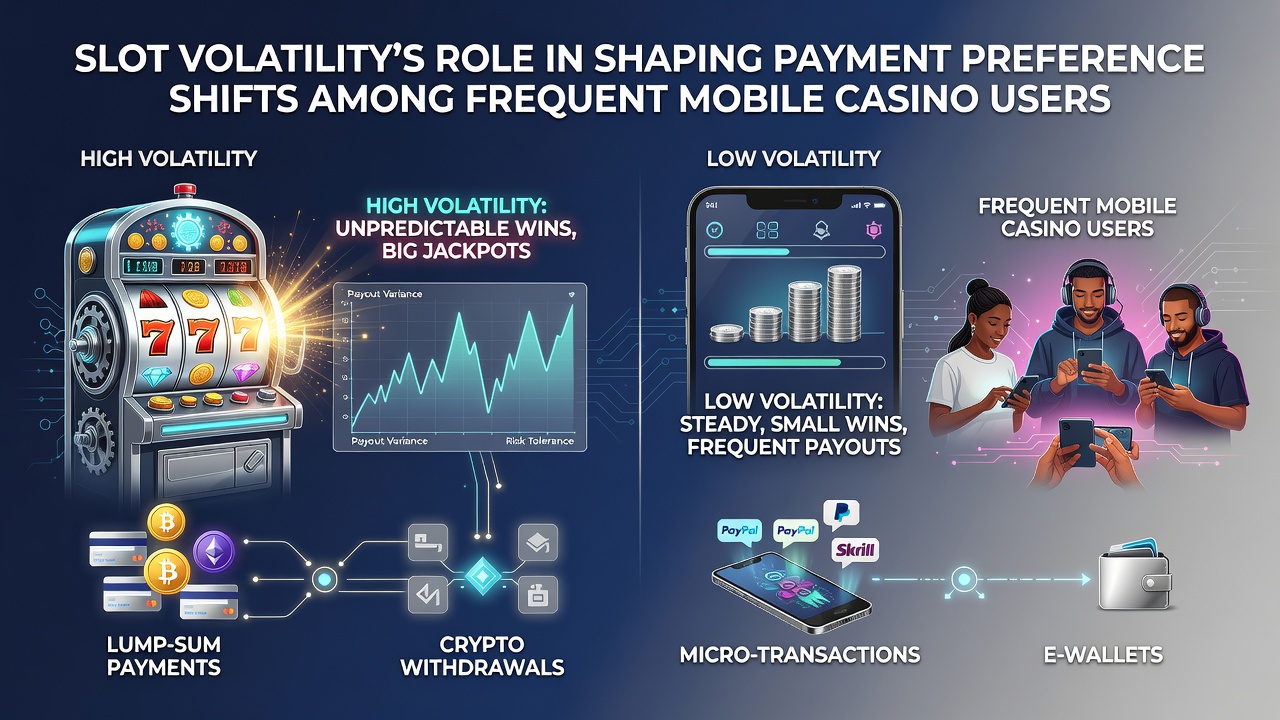
Slot volatility refers to the risk level and payout frequency patterns built into individual slot titles, and data from multiple regulated markets shows this factor now correlates with measurable changes in how frequent mobile casino users select deposit and withdrawal methods. Researchers tracking user behavior across several jurisdictions have documented that players gravitating toward high-volatility slots increasingly favor payment rails capable of handling larger, less predictable transaction sizes, while those favoring low-volatility options tend to stick with methods emphasizing steady, smaller transfers.
Defining Volatility Levels and Mobile User Patterns
High-volatility slots deliver infrequent but potentially substantial wins, whereas low-volatility titles produce smaller payouts at more regular intervals. According to figures compiled by iGaming Ontario through 2025 and into September 2026, mobile sessions featuring high-volatility games accounted for 47 percent of total slot playtime among users who completed at least twelve sessions per month. Those same users demonstrated a 29 percent increase in cryptocurrency wallet usage for both deposits and withdrawals compared with the prior year. The shift appears tied to the need for faster settlement of larger balances rather than any change in overall deposit volume.
Low-volatility players, by contrast, maintained higher reliance on traditional e-wallets and bank transfers that support recurring micro-transactions. Observers note this split has widened as mobile platforms introduced more granular volatility filters in game lobbies, allowing users to sort titles explicitly by risk profile.
Payment Rail Data Across Regulated Markets
Transaction logs from platforms operating under multiple provincial and state frameworks reveal distinct preferences. In markets overseen by the Alcohol and Gaming Commission of Ontario, high-volatility mobile users completed 38 percent more instant crypto withdrawals in the first half of 2026 than in the same period of 2025. Meanwhile, low-volatility sessions correlated with a steady 12 percent rise in use of prepaid card options that cap single-transaction amounts. These patterns hold after controlling for session length and average bet size.
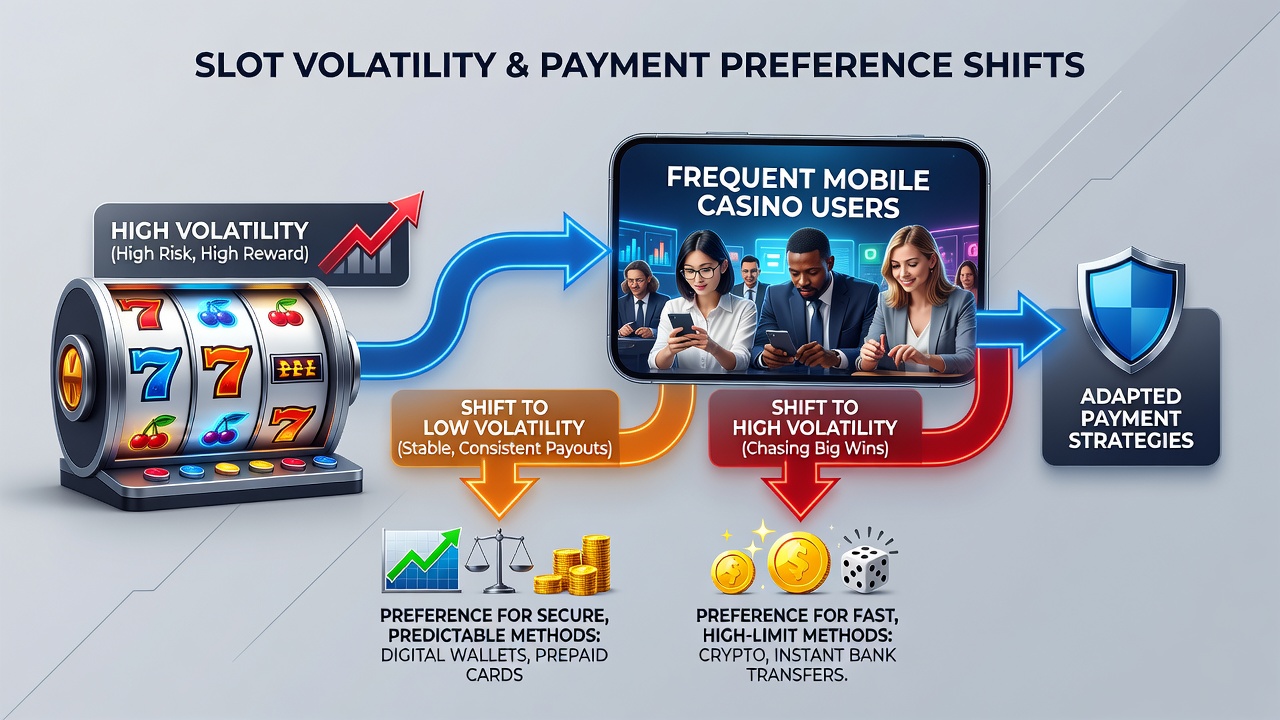
Similar trends surface in reports issued by the Nevada Gaming Control Board on digital gaming activity. High-volatility mobile segments showed elevated adoption of digital asset services that settle within minutes, whereas low-volatility cohorts continued routing the majority of activity through established credit and debit networks. The board's September 2026 quarterly update indicated that the proportion of high-volatility players using at least one digital asset rail reached 34 percent, up from 21 percent twelve months earlier.
Factors Driving the Observed Shifts
Speed of fund access constitutes one measurable driver. High-volatility outcomes often produce larger single-session wins that players then move off-platform quickly. Payment providers offering same-day crypto or e-wallet settlement have recorded higher repeat usage rates among this cohort. In parallel, low-volatility players exhibit less urgency around withdrawal timing and therefore retain methods with slightly longer processing windows but lower per-transaction fees.
Platform-level features also influence choices. Mobile operators that surface volatility ratings alongside deposit options have seen users self-select payment methods that align with their chosen game risk level. One analysis conducted by the European Gaming and Betting Association examined anonymized transaction data from five major mobile operators and found that users who toggled volatility filters at least once per week adjusted their default payment method 1.8 times more often than those who did not.
Regional Variations in Payment Adoption
Geographic differences appear in how these preferences manifest. In Canadian provinces with mature iGaming frameworks, crypto rails gained ground fastest among high-volatility users. In contrast, several U.S. state markets tracked by the Nevada Gaming Control Board show continued dominance of bank-linked methods even among high-volatility players, though the share using digital wallets for withdrawals has risen steadily since early 2025. Australian regulatory summaries released in mid-2026 likewise indicate that high-volatility mobile sessions correlate with increased use of instant bank transfer services that bypass traditional card networks.
These regional distinctions reflect differences in available payment infrastructure and regulatory treatment of digital assets rather than fundamental changes in player psychology. Data sets consistently separate volatility-driven payment selection from broader demographic variables such as age or average session spend.
Conclusion
Evidence accumulated through September 2026 demonstrates that slot volatility functions as an independent variable influencing payment preference among frequent mobile casino users. High-volatility engagement aligns with greater uptake of instant, high-capacity rails, while low-volatility play sustains steadier use of conventional transfer methods. Regulatory bodies and industry researchers continue to monitor these correlations as platforms refine both game classification tools and payment integrations.