Regional Payment Method Preferences Shaping Live Dealer Poker Variant Selections on Mobile Platforms in South American Markets
Written by Erik Krause · Aug 6, 2026
Regional Payment Method Preferences Shaping Live Dealer Poker Variant Selections on Mobile Platforms in South American Markets
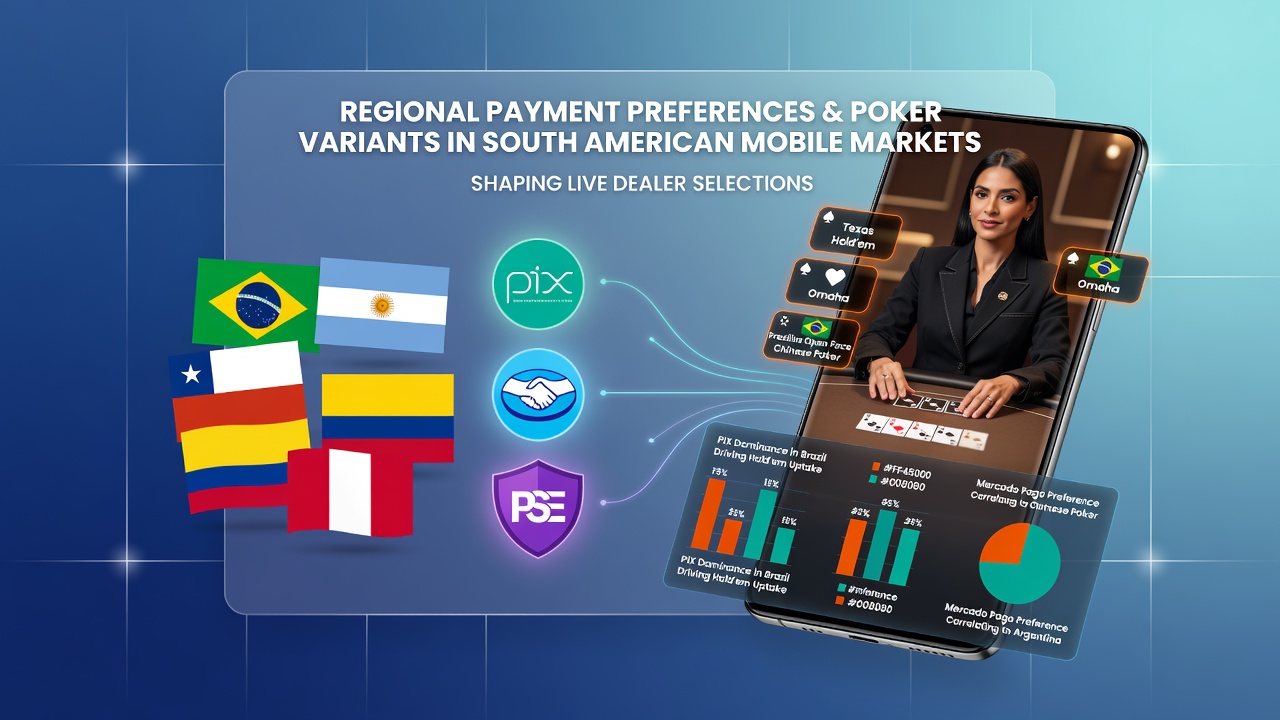
Payment preferences across South America continue to steer mobile live dealer poker selections in distinct ways, with local transaction tools dictating which poker variants gain traction on smartphone screens. In Brazil, the Pix instant payment system processes millions of transfers daily, and operators note that players who rely on Pix often gravitate toward fast-paced variants such as Pot Limit Omaha, since quick deposits and withdrawals support repeated buy-ins without delays. Data from regional transaction logs indicate that sessions involving Pix-linked accounts average longer durations in multi-hand formats compared with slower methods like traditional bank transfers.
Argentina and Mercado Pago Dynamics
Argentina presents a parallel pattern where Mercado Pago dominates digital wallets, and analysts tracking platform metrics report elevated participation in Texas Hold'em cash games among users who fund accounts through this service. The wallet's integration with local banks reduces friction during peak evening hours, allowing players to switch tables more fluidly while maintaining session continuity. Observers note that August 2026 saw a measurable uptick in Omaha Hi-Lo selections on mobile apps after several operators streamlined Mercado Pago verification steps, aligning deposit limits with the higher buy-in structures common in that variant.
Colombia and Emerging Digital Channels
Colombia shows growing reliance on PSE bank transfers and emerging e-wallets, which correlate with selections leaning toward Stud poker variants that reward measured pacing over rapid action. Regulatory filings from Colombian gaming authorities reveal that players using PSE experience fewer interruptions in browser-based sessions, and this stability encourages deeper engagement with limit-based games where bankroll management plays a larger role. Industry reports compiled in mid-2026 highlight how these payment rails support cross-border play for Colombian users accessing platforms licensed in neighboring jurisdictions.
Brazilian Boleto and Variant Trends
Boleto bancário remains entrenched in parts of Brazil despite the rise of Pix, and data aggregators tracking mobile poker traffic find that Boleto users disproportionately select draw poker formats that accommodate the 24- to 48-hour settlement window typical of that method. This preference creates distinct session patterns, with players often scheduling shorter, more deliberate play periods rather than extended multi-table runs. Researchers examining transaction timestamps note that platforms offering Boleto frequently promote low-stakes draw games during daytime hours to match the slower funding cycle.
Cross-Border Payment Influences
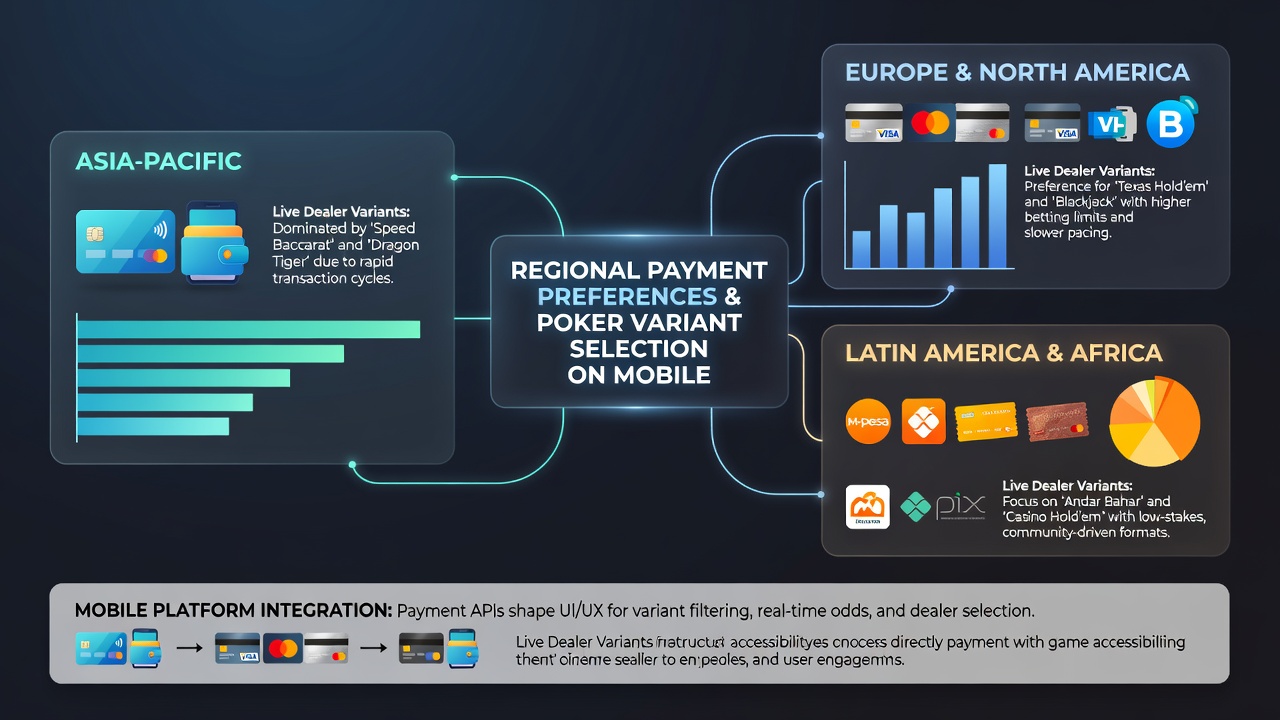
Cross-border play further complicates these patterns, as users in Paraguay and Uruguay sometimes route transactions through Argentine or Brazilian wallets to access wider variant menus. Platform analytics from 2026 indicate that such hybrid payment paths coincide with higher adoption of mixed-game formats combining Hold'em and Omaha elements. Those who have studied regional flows observe that currency conversion fees embedded in certain wallets nudge players toward variants with smaller average pot sizes to offset transaction costs over longer sessions.
Regulatory Context and Mobile Infrastructure
Regulatory frameworks across the continent continue to evolve, and licensing bodies in multiple countries require operators to disclose accepted payment rails alongside game offerings. This transparency has allowed researchers to map correlations between deposit speed and variant popularity with greater precision. Mobile network improvements in urban centers have amplified these effects, since faster connectivity pairs with instant payment methods to enable seamless table changes during live dealer streams.
Platform Adaptations Observed in 2026
Operators have responded by tailoring variant promotions to dominant local payment methods, and August 2026 updates on several South American-focused apps featured targeted Omaha tournaments funded exclusively through Pix or Mercado Pago. Usage statistics released by platform providers show that these segmented offerings increased overall table occupancy rates without altering underlying game mathematics. External verification from industry sources such as Latin American Gaming Association reports confirms the alignment between payment infrastructure and variant selection remains consistent across monitored markets.
Conclusion
Payment method preferences in South American markets continue to shape mobile live dealer poker variant selections through measurable correlations between transaction speed, settlement times, and player behavior patterns. Regional data collected through 2026 illustrate how local tools such as Pix, Mercado Pago, PSE, and Boleto each steer users toward specific poker formats that match their funding rhythms. These dynamics persist as operators refine mobile interfaces and regulators maintain disclosure requirements, producing distinct market profiles that differ from those observed in other global regions.