Regional Disparities in Progressive Jackpot Allocation Mechanisms Across Browser-Based Gaming Sessions in Select Asian Jurisdictions
Written by Viktor Otto · Jun 6, 2026
Regional Disparities in Progressive Jackpot Allocation Mechanisms Across Browser-Based Gaming Sessions in Select Asian Jurisdictions
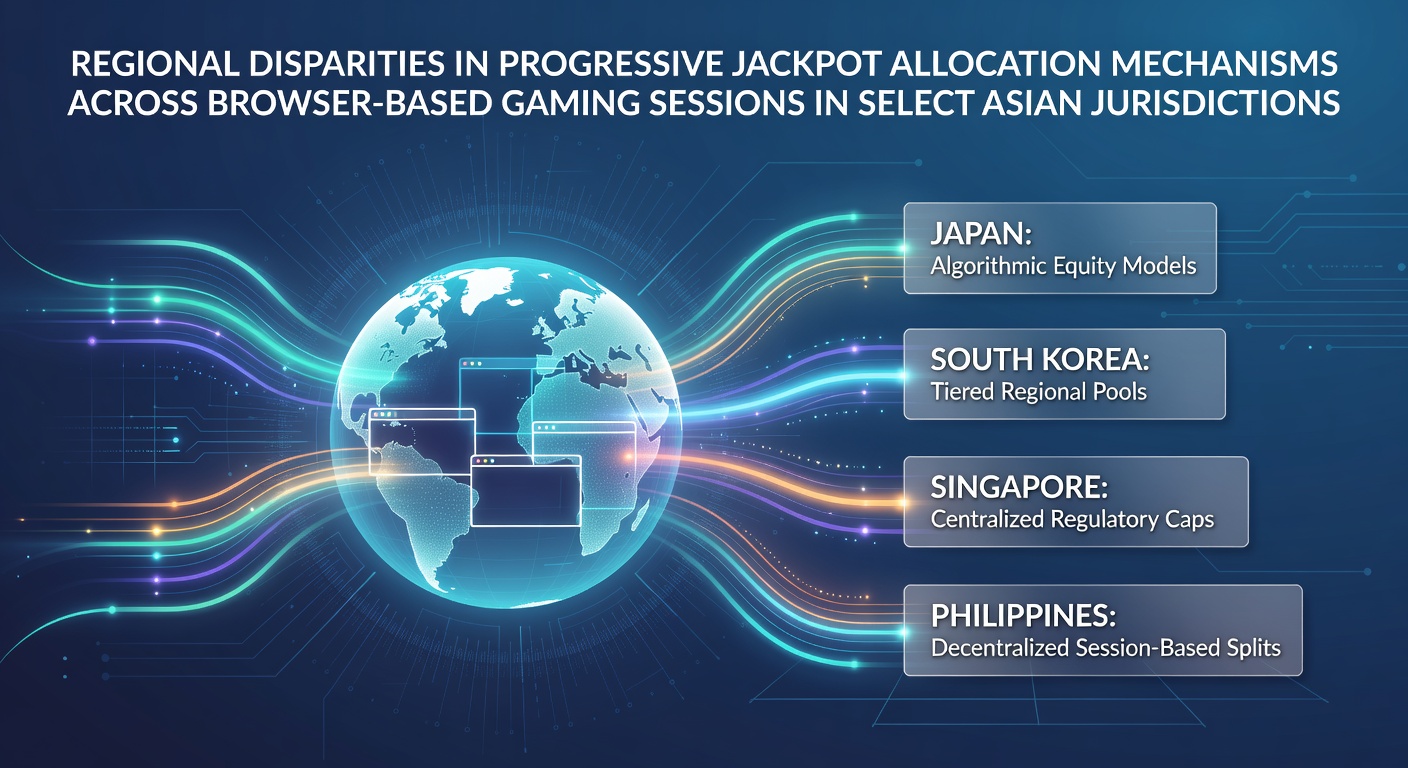
Browser-based gaming sessions in Asia operate under regulatory frameworks that shape how progressive jackpot pools accumulate and distribute across multiple jurisdictions. Operators in Singapore, the Philippines, Japan, and South Korea apply distinct contribution rates, pool management rules, and payout triggers that create measurable differences in allocation patterns.
Core Allocation Structures in Regulated Markets
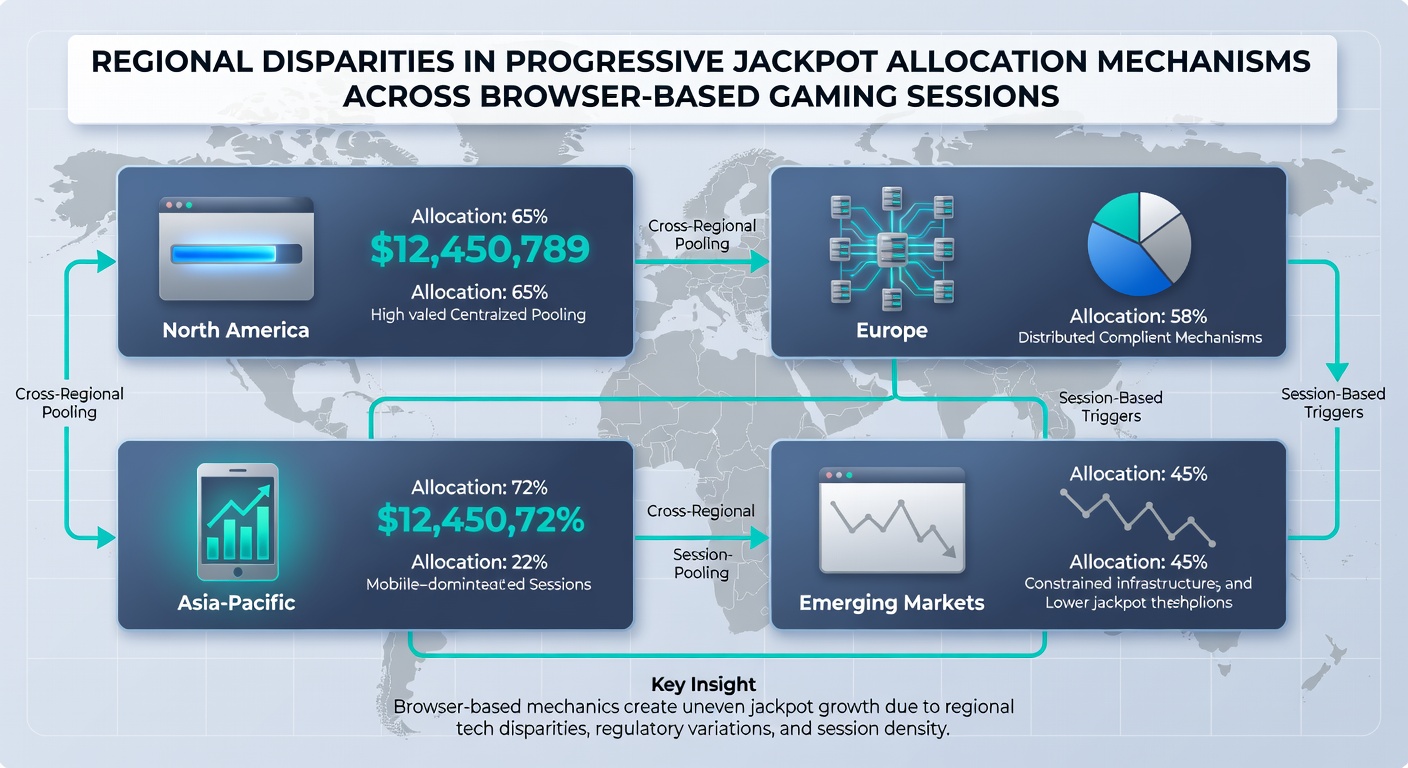
Progressive jackpot systems draw a percentage of each wager into a shared pool that grows until specific conditions trigger a payout. Data from industry reports indicate that contribution percentages range from 0.5 percent in tightly controlled environments to over 3 percent in markets with fewer restrictions on pool growth. These rates directly influence both the speed of jackpot escalation and the frequency of major wins distributed to players during browser sessions.
Singapore's framework requires operators to maintain separate local pools for browser-based games while capping total jackpot values at fixed thresholds. The city-state's approach ties allocation percentages to player protection metrics that adjust quarterly based on session volume data.
Philippine Market Dynamics
The Philippines permits broader cross-platform pooling under PAGCOR oversight, allowing contributions from multiple game types to feed single progressive meters accessible via standard web browsers. Allocation mechanisms here incorporate revenue-sharing formulas that direct portions of the pool toward both player payouts and regulatory fees, creating faster pool turnover compared with neighboring jurisdictions.
Operators report that browser sessions in the Philippines see jackpot triggers occur at lower thresholds than in Singapore because contribution rates remain higher and pool segmentation rules allow greater aggregation across game categories.
Japanese and South Korean Approaches
Japan maintains strict separation between pachinko-derived mechanisms and modern browser-based casino offerings, with progressive allocations limited to domestically hosted servers. Regulatory updates effective in early 2026 refined contribution tracking to ensure each browser session logs precise percentages toward isolated pools rather than regional aggregates.
South Korea restricts progressive features to licensed land-based connected systems and applies similar isolation rules for online sessions. Allocation formulas there emphasize smaller, more frequent distributions that reset pools at shorter intervals than those observed in the Philippines.
Regulatory Influences on Pool Management
Tax treatment and licensing conditions drive many of the observed disparities. Jurisdictions that impose higher levies on jackpot winnings tend to structure allocation mechanisms with built-in reserves that slow pool growth while ensuring operator solvency. Browser session data collected through June 2026 shows that these reserve requirements correlate with lower average jackpot sizes at the point of distribution.
Cross-border play introduces additional variables because some operators must reconcile differing allocation mandates when players access games from multiple jurisdictions during single sessions. Technical standards require real-time metering adjustments that prevent over-contribution to any single pool.
Technical Implementation Patterns
Browser-based platforms rely on server-side tracking to calculate contributions and maintain transparency logs. Systems deployed in Singapore integrate mandatory audit trails that timestamp each allocation event, whereas Philippine platforms emphasize rapid meter updates visible to players throughout active sessions.
Researchers at the National University of Singapore have documented how latency in browser connections affects the perceived fairness of progressive systems, particularly when pools span multiple regional servers. Their findings highlight the need for synchronized timers that prevent discrepancies during simultaneous play across borders.
Developments Through Mid-2026
Regulatory filings submitted by June 2026 reveal incremental adjustments in allocation percentages across all four jurisdictions. South Korean authorities introduced a tiered contribution model that scales with session duration, while Japanese operators expanded testing of hybrid pools that combine elements from both domestic and international regulatory models.
These changes continue to widen the gap between markets that prioritize rapid player distributions and those focused on sustained pool accumulation. Session analytics indicate that players encounter different jackpot frequencies depending on the jurisdiction hosting the browser connection.
Conclusion
Regional disparities in progressive jackpot allocation reflect the interplay between local regulations, tax structures, and technical standards governing browser-based gaming. Singapore's capped and segmented pools contrast with the Philippines' aggregated approach, while Japan and South Korea emphasize controlled distributions tied to domestic infrastructure. Data collected through June 2026 demonstrates that these mechanisms continue to evolve in response to both player volume and regulatory priorities across Asia.