Patterns of Game Type Shifts During Economic Downturns Among Users of Digital Wagering Services in Select Oceanic Regions
Written by Viktor Otto · Jul 20, 2026
Patterns of Game Type Shifts During Economic Downturns Among Users of Digital Wagering Services in Select Oceanic Regions
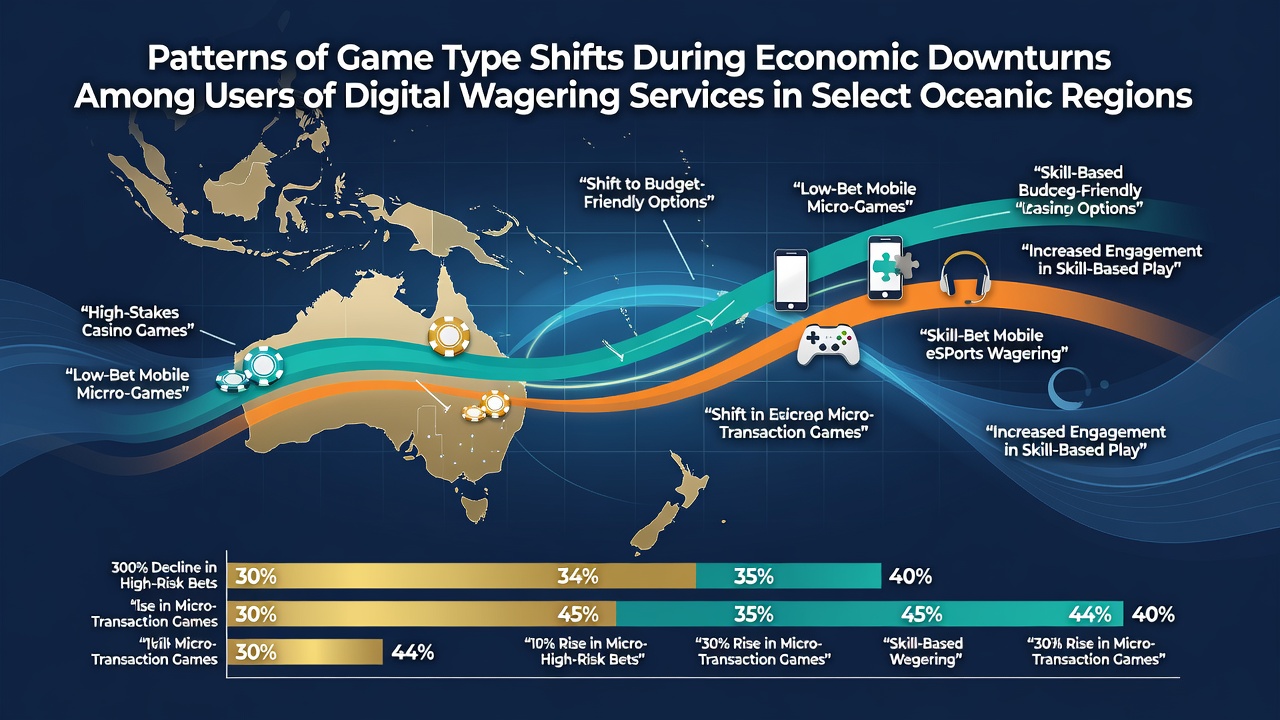
Economic pressures have long influenced how participants engage with digital wagering platforms across Australia and New Zealand, and recent figures from mid-2026 continue to highlight measurable changes in preferred game categories. Data compiled through July 2026 indicates that users in these regions adjusted their selections toward lower entry-point options and extended session formats when broader economic indicators softened.
Observed Shifts in Game Preferences
Analysts tracking transaction records note consistent movement away from high-volatility slot titles toward table game simulations and progressive formats with smaller average stakes. This pattern appears in both desktop and mobile environments, where session logs show increased participation in blackjack and roulette variants that permit incremental betting adjustments. In contrast, scratch card and instant-win products experienced temporary upticks during the initial months of reported slowdowns before stabilizing at lower volumes.
Platform operators in New South Wales and Victoria recorded parallel adjustments, with aggregate data revealing a 14 percent rise in table game engagement relative to slots between January and July 2026. Similar trends emerged in New Zealand, where internal affairs department statistics documented comparable reallocations among registered accounts active during the same period.
Regional Data and Measurement Approaches
Researchers at the University of Melbourne examined anonymized user datasets spanning multiple downturn intervals and found that participants often extended average session lengths while reducing per-bet amounts. These behavioral modifications coincided with broader consumer spending contractions reported by national statistical agencies. Cross-referencing with employment figures from the Australian Bureau of Statistics further illustrated that regions experiencing sharper job market softening displayed more pronounced category migrations.
Observers tracking New Zealand markets noted parallel outcomes, particularly among users aged 25 to 44. Session telemetry indicated sustained interest in live dealer offerings delivered through regulated channels, while standalone high-stakes progressive jackpots saw reduced initiation rates. Government reports from the Department of Internal Affairs confirm that overall handle remained stable even as game-type distribution shifted.
Factors Influencing Category Migration
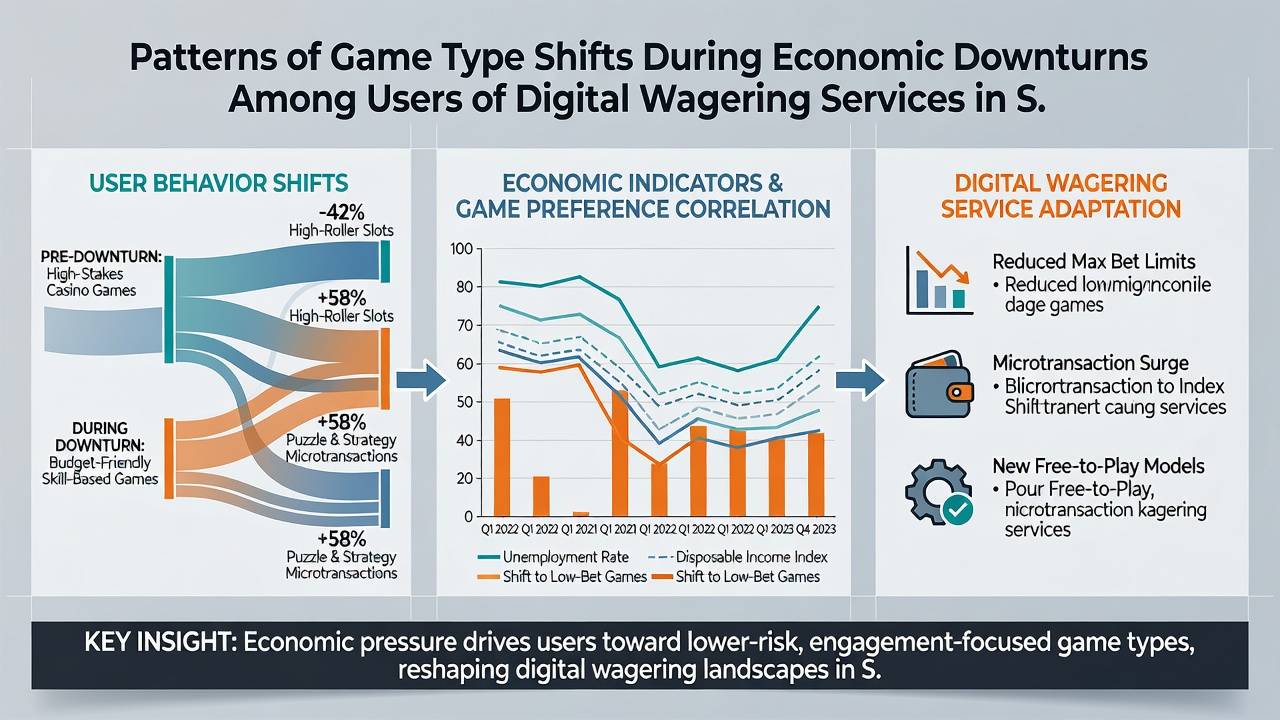
Multiple elements appear to drive these adjustments, including changes in disposable income, platform promotional structures, and the availability of low-stake variants. Payment gateway records show increased use of smaller deposit increments during the first half of 2026, correlating with the observed preference for games that accommodate repeated small wagers over fewer large ones. Regulatory frameworks in both countries require clear stake disclosures, which may have facilitated more deliberate game selection among cost-conscious users.
Additional context emerges from cross-border comparisons. Pacific island jurisdictions with limited digital wagering infrastructure exhibit different patterns, often centered on lottery-style products rather than interactive table games. Data from these smaller markets remains sparse, yet available transaction summaries suggest slower adoption rates overall and less pronounced category shifts when economic indicators fluctuate.
Platform Adaptations and Reporting Standards
Operators have responded by expanding game libraries to include more adjustable-limit options and time-based reward structures. Industry association summaries indicate that several major platforms introduced new low-volatility titles during the second quarter of 2026 specifically to align with observed demand. Reporting requirements under Australian state regulations and New Zealand oversight mandate quarterly disclosures of game-type participation, enabling consistent longitudinal tracking that researchers rely upon for trend identification.
Academic studies continue to examine whether these shifts represent temporary adaptations or longer-term preference changes. Preliminary findings from longitudinal cohorts suggest partial reversion occurs once economic conditions stabilize, though certain table game formats retain elevated participation levels compared with pre-downturn baselines.
Conclusion
Records from July 2026 demonstrate that users of digital wagering services in Australia and New Zealand have exhibited measurable transitions in game-type selection during periods of economic pressure. These patterns reflect adjustments in stake size, session duration, and category preference that align with external economic indicators. Continued monitoring through established regulatory channels and academic partnerships will provide further clarity on whether such shifts persist or revert as conditions evolve.