Mapping How Funding Choices Shape Live Table Preferences in Regulated Mobile Markets
Written by Erik Krause · Aug 8, 2026
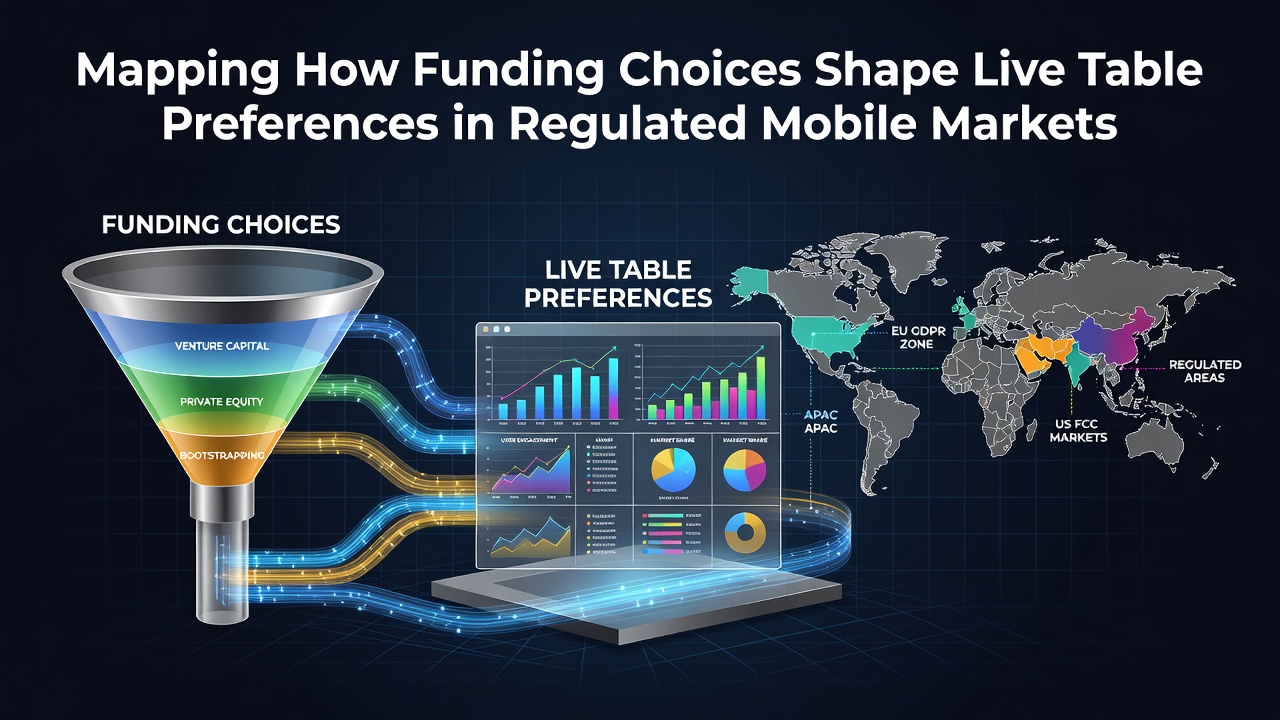
Mapping How Funding Choices Shape Live Table Preferences in Regulated Mobile Markets
Funding mechanisms in regulated mobile markets create distinct patterns in how players approach live table games, with payment speed, transaction limits, and regional banking rules all playing measurable roles. Researchers tracking these connections across multiple jurisdictions note that deposit methods correlate with specific game selections, session lengths, and stake levels in ways that vary by market maturity and regulatory framework. Data compiled through 2025 and into mid-2026 shows consistent regional clusters where certain funding tools align with blackjack preferences while others tie more closely to baccarat or roulette activity.
Regional Funding Patterns and Mobile Access
European markets regulated under national licensing systems demonstrate clear divides between card-based instant transfers and digital wallet options, with the former supporting higher average stakes on European roulette variants. Observers tracking transaction logs in markets such as Malta and the Netherlands find that players using direct bank rails maintain longer sessions at live dealer tables compared with those relying on e-wallets that impose daily caps. Australian state frameworks produce different results, where players accessing live tables through approved apps show stronger engagement with multi-hand blackjack when funding arrives through POLi or similar account-to-account systems that clear instantly.
North American regulated environments add another layer, as state-by-state banking restrictions influence which live table formats gain traction on mobile. In jurisdictions where credit card deposits face blocks, users shift toward prepaid vouchers or cryptocurrency rails, and these shifts coincide with measurable increases in baccarat participation on mobile screens. Figures from the Alcohol and Gaming Commission of Ontario reveal that e-wallet adoption rates above 60 percent align with elevated live dealer blackjack volumes during evening peak hours, while slower bank transfer methods correspond to steadier but lower-stake roulette activity throughout the day.
Payment Speed and Table Selection Data
Transaction velocity directly affects table choice because players adjust their game selection based on how quickly funds appear in their account balance. Studies examining mobile session data across regulated platforms indicate that sub-five-second funding confirmations increase the likelihood of players joining high-limit live blackjack rooms, whereas delays exceeding thirty seconds correlate with movement toward lower-stakes roulette tables that allow smaller initial bets. These patterns hold across multiple device types and operating systems, suggesting the relationship stems from funding friction rather than hardware variables.
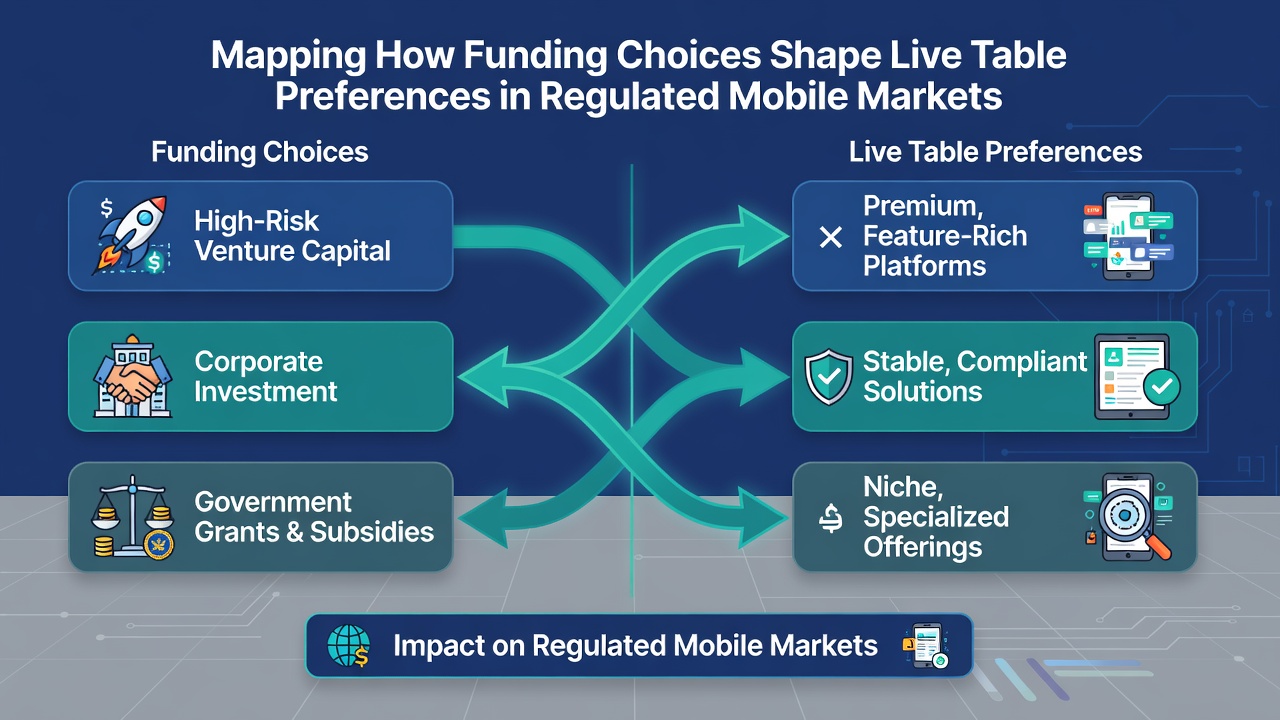
August 2026 reports from several European operators highlighted an uptick in live table activity following the rollout of open-banking instant payment schemes, with blackjack tables registering the largest share of new sessions. The same datasets showed baccarat maintaining steady volume regardless of funding speed, pointing to established player habits that override transaction timing in that particular game category. Researchers at the University of Nevada, Las Vegas International Gaming Institute have documented similar dynamics in U.S. state markets where instant funding options expanded, noting parallel rises in live dealer engagement once deposit friction decreased.
Stake Levels and Funding Source Correlations
Stake distribution across live tables also maps onto funding source categories in predictable ways. Mobile users funding accounts through cryptocurrency channels in regulated jurisdictions tend to place larger average bets at live baccarat tables, while those using traditional bank transfers distribute stakes more evenly across blackjack and roulette offerings. These differences appear in aggregated transaction records rather than individual behavior, allowing analysts to identify market-level preferences without accessing personal data.
Regulatory reporting requirements in multiple regions now include breakdowns of funding methods alongside game-type activity, creating richer datasets for mapping exercises. The Victorian Commission for Gambling and Liquor Regulation in Australia publishes quarterly summaries that link payment instrument categories to live table metrics, enabling direct comparison between instant and delayed funding cohorts. Similar granularity appears in selected U.S. state filings, where mobile-specific data separates live dealer sessions by deposit channel and reveals consistent preference clusters.
Emerging Trends in Mobile Live Table Funding
Operators continue to test new funding integrations that further refine these patterns, including embedded wallet features within live table interfaces and one-click top-up options tied to specific game lobbies. Early results from markets that approved such features indicate accelerated movement toward higher-stakes live blackjack when funding occurs without leaving the table screen. At the same time, roulette volumes remain stable across funding types, suggesting that certain table formats retain broader appeal regardless of transaction mechanics.
Cross-border comparisons highlight how regulatory differences in allowed funding tools produce divergent live table landscapes even when underlying player demographics appear similar. Markets permitting faster digital currency options show elevated live baccarat activity, whereas those restricting such tools maintain stronger blackjack and roulette balances. These mappings provide operators and regulators with concrete indicators for anticipating how policy changes around payment methods may shift live table preferences in mobile environments.
Conclusion
Funding choices function as structural variables that shape live table preferences across regulated mobile markets, with measurable effects on game selection, session duration, and stake distribution. Continued collection of granular transaction and gameplay data enables increasingly precise mapping of these relationships, supporting evidence-based adjustments to both regulatory frameworks and platform design. The patterns documented through 2026 underscore the value of treating payment infrastructure as an integral component of live table ecosystems rather than a separate operational layer.