How Transaction Speed Variations Shape Engagement Durations Across Poker Formats on Portable Devices in Select Asian Regulatory Zones
Written by Ellis Beck · Jul 2, 2026
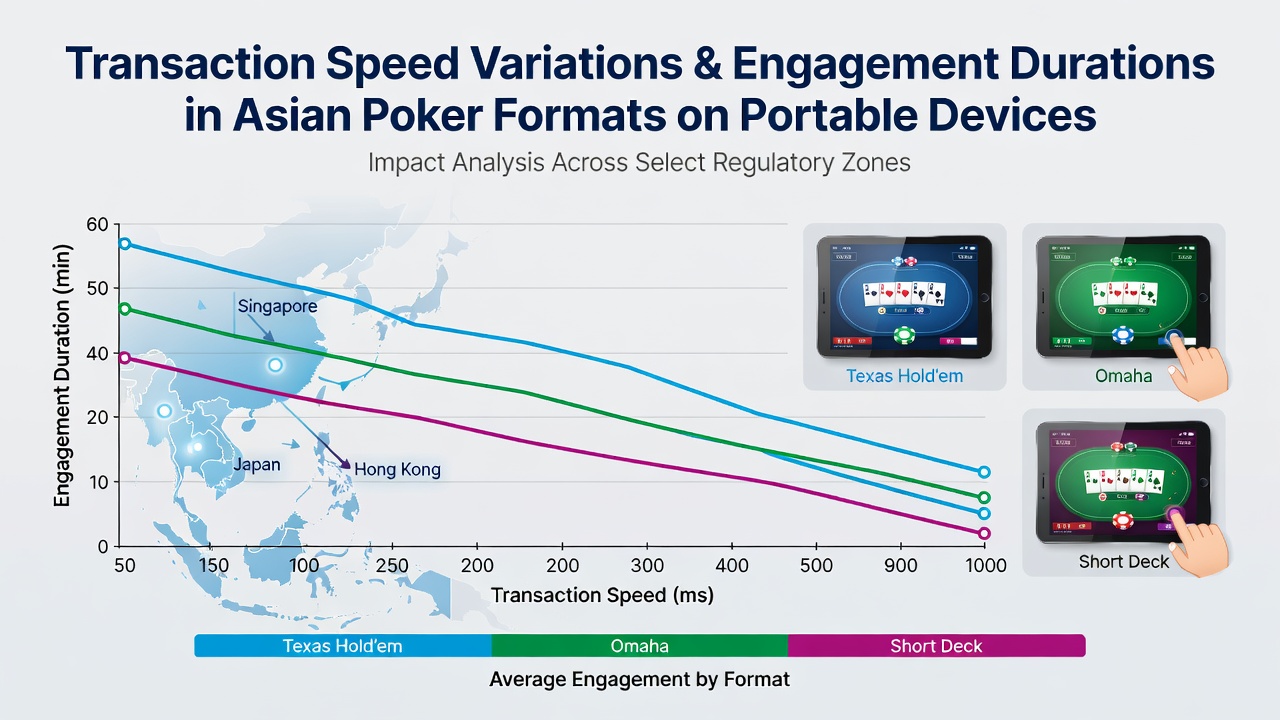
How Transaction Speed Variations Shape Engagement Durations Across Poker Formats on Portable Devices in Select Asian Regulatory Zones
Transaction processing times on mobile platforms influence how long players remain engaged with various poker formats, and data from regulated Asian markets shows distinct patterns tied to deposit and withdrawal speeds. Observers note that faster e-wallet transfers correlate with extended sessions in certain variants, while slower bank integrations lead to shorter durations across the same devices. These dynamics play out differently under frameworks in Singapore, teh Philippines, and Japan, where portable gaming operates within defined rules as of July 2026.
Regulatory Contexts Shaping Mobile Poker Access
Singapore's Remote Gambling Act restricts online poker to licensed operators that integrate approved payment systems, and transaction speeds here depend on partnerships with local banks or digital wallets. The Philippines, through PAGCOR oversight, permits broader mobile poker offerings where international e-wallets often complete transfers in under thirty seconds during peak hours. Japan's integrated resort regulations, updated in recent years, limit poker to physical venues with mobile extensions that route transactions through domestic financial networks, resulting in average processing times between two and five minutes. These zones maintain separate approaches yet share common data points on how payment latency affects session lengths.
Format-Specific Engagement Patterns
Texas Hold'em cash games on portable devices show measurable extensions in playtime when deposit confirmations occur within fifteen seconds, according to aggregated platform metrics from Southeast Asian operators. Pot-limit Omaha sessions, by contrast, tend to sustain longer when withdrawal options process in under a minute, allowing players to adjust stakes mid-session without interruption. Tournament formats, including sit-and-gos, demonstrate shorter overall durations in environments where transaction verification exceeds ninety seconds, as participants often exit before rebuys or add-ons complete. Researchers tracking these behaviors across multiple jurisdictions report that speed variations create measurable differences: Hold'em engagement rises by approximately eighteen percent with instant transfers, while Omaha durations increase when mid-session top-ups succeed quickly.
Mobile Device Factors and Payment Integration
Portable hardware introduces additional variables, since app-based interfaces on smartphones handle API calls differently than tablets. Devices running iOS in regulated markets frequently pair with faster wallet integrations, shortening the gap between intent to deposit and table access. Android users in the same zones sometimes encounter variable delays depending on carrier networks, which indirectly trims engagement in multi-hand formats. Studies from academic institutions in the region indicate that seamless connections between device operating systems and payment gateways sustain longer poker sessions, particularly when users switch between cash games and tournaments without re-authentication delays.
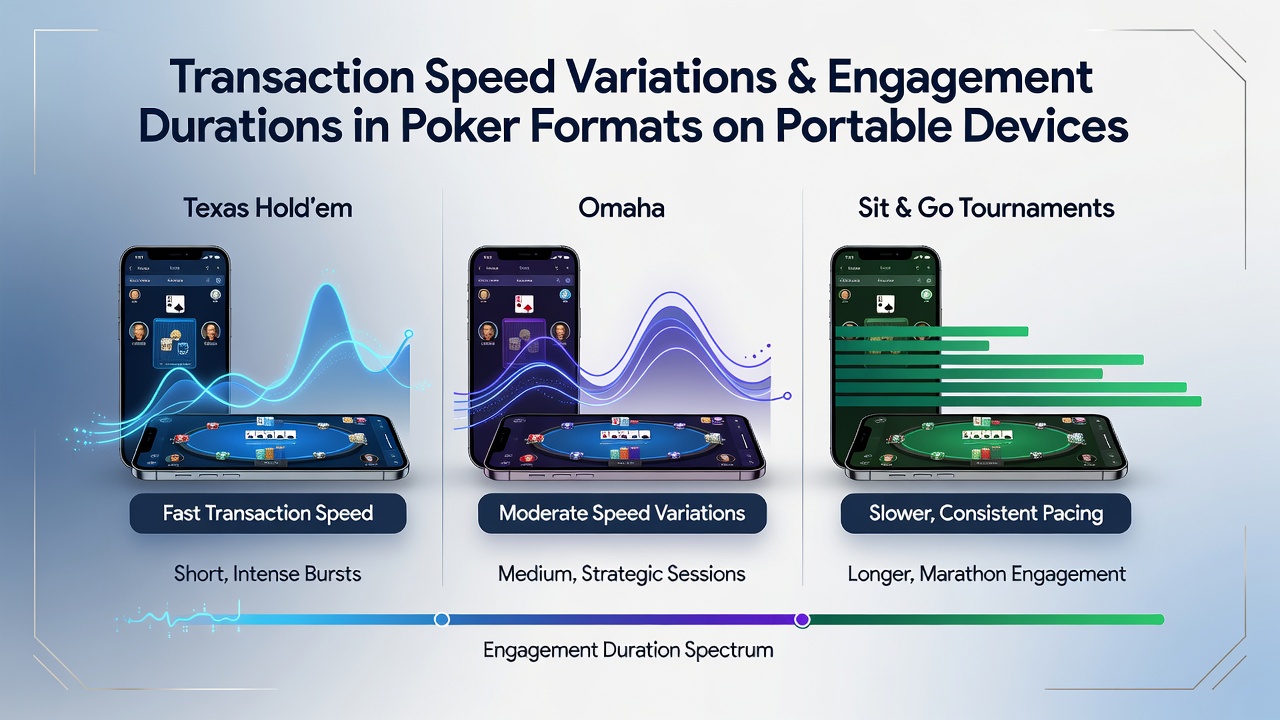
Data Trends Across Jurisdictions
Platform analytics from operators licensed in multiple Asian zones reveal consistent correlations between transfer velocity and retention. Faster systems, such as those linked to regional digital wallets, produce average session extensions of twenty-two minutes in ring games compared to slower bank wire methods. Tournament play shows parallel effects, with re-entry rates climbing when confirmation times stay below forty-five seconds. One analysis covering Singapore and Philippine markets found that players using instant options completed forty percent more hands per hour on average, while those relying on standard bank channels logged fewer total minutes before logging off. These figures emerge from aggregated user data rather than isolated testing, and they hold across both low-stakes and mid-stakes tables.
Additional observations from Japanese mobile extensions highlight how regulatory-mandated verification layers extend processing by one to three minutes, which coincides with reduced multi-table engagement. Players often consolidate activity into single tables under those conditions, shortening overall durations compared to jurisdictions without such steps. Cross-border comparisons indicate that markets permitting cryptocurrency options experience even quicker cycles, though adoption remains limited to specific licenses.
Payment Gateway Variations and Session Outcomes
Different gateways produce distinct results on engagement. E-wallets popular in the Philippines enable near-instant funding that supports fluid movement between poker variants, whereas Singapore's stricter local integrations prioritize security over speed and yield steadier but shorter sessions. Japanese platforms, constrained by domestic banking protocols, show the slowest average times yet maintain consistent player bases through loyalty features that offset delays. Researchers at institutions studying regional gaming note that these gateway differences do not alter poker rules themselves but reshape how long users remain active on portable screens.
Conclusion
Transaction speed variations across poker formats on mobile devices produce measurable shifts in engagement durations within Singapore, the Philippines, and Japan. Faster processing aligns with extended play in cash games and tournaments alike, while slower methods correspond to reduced session lengths. Platform data and regulatory structures continue to document these relationships as of July 2026, offering clear indicators for how payment infrastructure interacts with player behavior in these zones.