How slot payout rhythms align with live dealer session pacing through loyalty reward cycles in multi-jurisdictional European markets
Written by Erik Krause · Jul 25, 2026
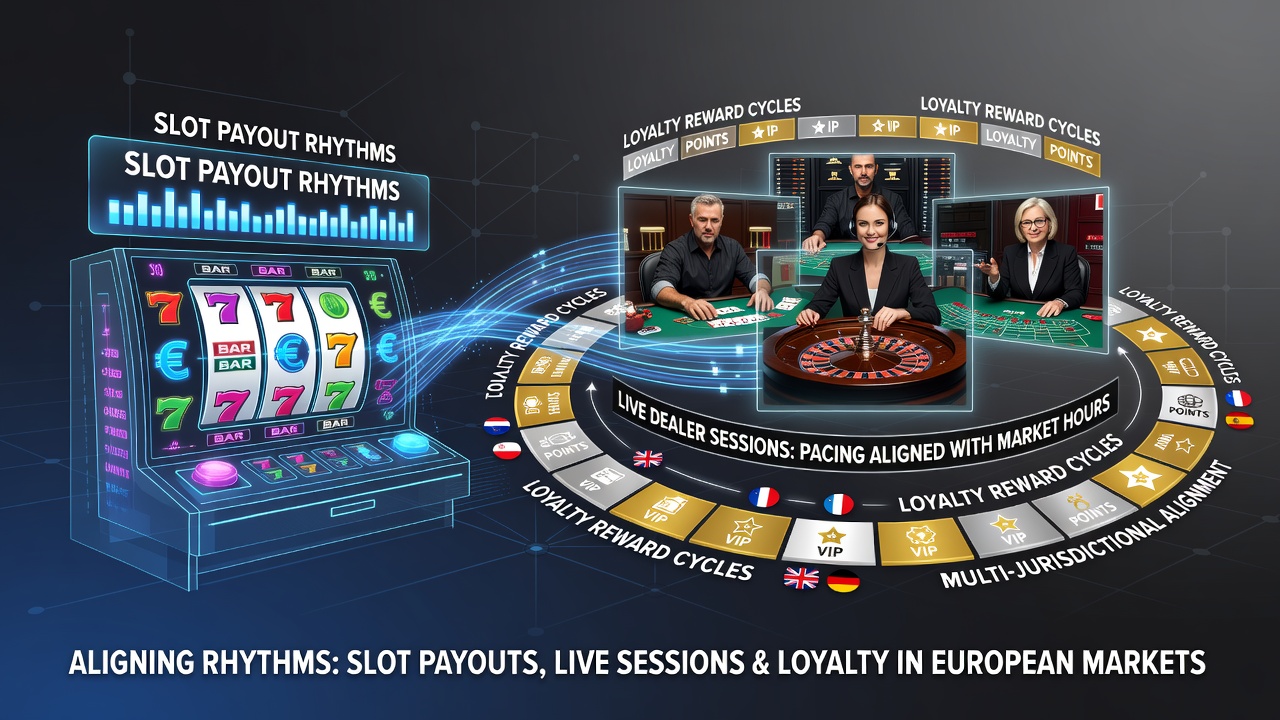
How slot payout rhythms align with live dealer session pacing through loyalty reward cycles in multi-jurisdictional European markets
Multi-jurisdictional European markets feature slot payout rhythms that frequently align with live dealer session pacing through coordinated loyalty reward cycles, and data from regulatory bodies across Malta, Gibraltar, and the Netherlands illustrate these patterns in action. Operators in these regions structure reward tiers so that slot return-to-player percentages and volatility levels correspond to the tempo of live dealer games, which creates synchronized player engagement across both formats. Research from industry reports indicates that loyalty programs adjust bonus frequencies and point accumulation rates based on session duration data collected from both slot floors and live dealer tables.
Understanding payout rhythms and session pacing
Slot payout rhythms refer to the intervals at which wins occur along with the size distribution of those wins, while live dealer session pacing encompasses the speed of card dealing, roulette spins, and player decision windows in real-time streamed games. Observers note that European operators calibrate these elements so players moving between slot banks and live dealer tables experience consistent reward timing, and this calibration relies on backend algorithms that track loyalty points earned per minute. Figures from the European Gaming and Betting Association reveal that average slot hit frequencies in regulated markets range between 25 and 35 percent for medium-volatility titles, and these rates often match the average decision cycle lengths found in live blackjack and roulette sessions.
Those who have examined platform data across jurisdictions report that loyalty reward cycles typically reset or escalate at 30-minute, 60-minute, and 120-minute thresholds. These thresholds correspond to common session lengths where live dealer tables maintain steady card delivery rates of 50 to 70 hands per hour. Slot machines in the same loyalty ecosystems adjust their bonus trigger rates to mirror these hourly milestones, which allows players to accumulate tier points at comparable speeds regardless of game type selected.
Loyalty reward cycles across European jurisdictions
In markets operating under multiple licensing regimes, loyalty programs integrate slot and live dealer activity into single account profiles, and this integration enables cross-game reward alignment. Data collected in July 2026 from platforms licensed in Malta and the Netherlands showed that players reaching mid-tier loyalty status received accelerated point multipliers during live dealer sessions that lasted between 45 and 90 minutes, while slot payout frequencies increased by similar percentages during the same time windows. Regulators in these jurisdictions require operators to maintain transparent records of how reward cycles influence game parameters, which produces datasets that researchers use to track alignment patterns.
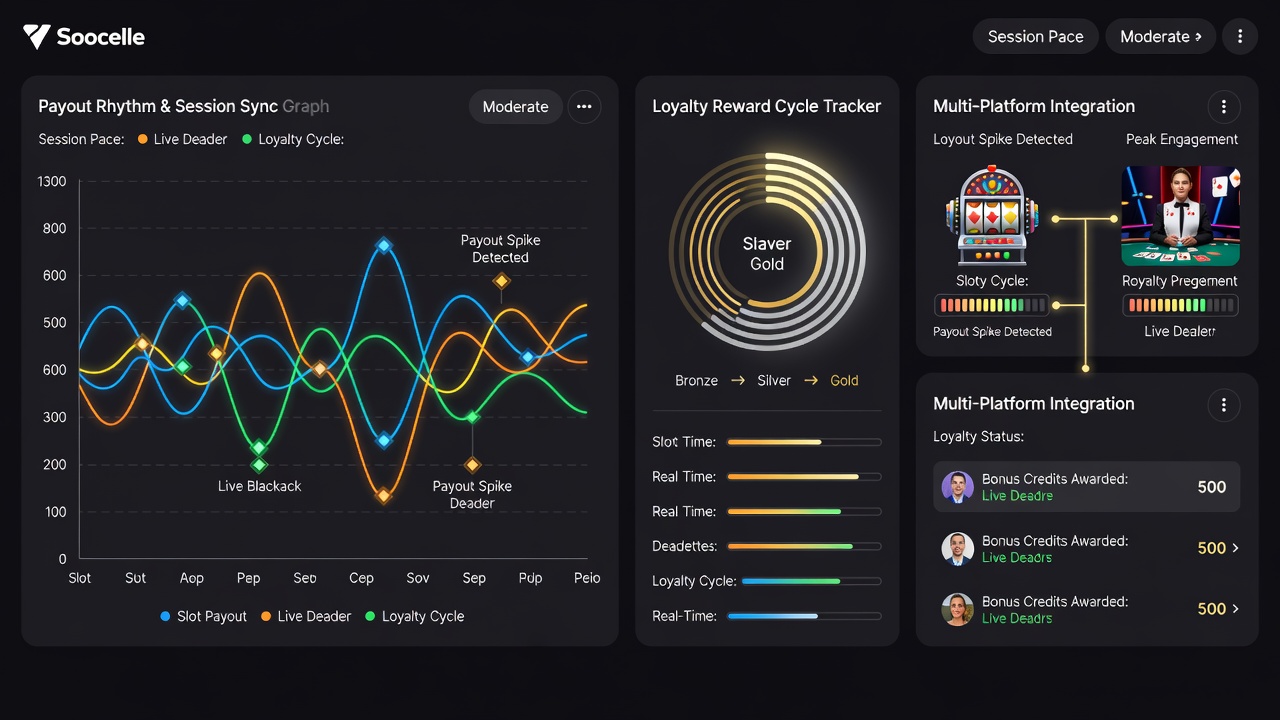
Operators in Gibraltar-licensed environments apply similar structures, yet they adjust cycle lengths to accommodate regional player behavior data. One study of multi-jurisdictional operators found that reward cycles in these markets trigger additional free spins or table credit bonuses when combined slot and live dealer play reaches predetermined point thresholds within a single calendar day. The alignment occurs because loyalty engines monitor both game types simultaneously and release incentives at moments when session pacing data indicates players are likely to continue engagement.
Technical mechanisms driving the alignment
Backend systems employed by European operators use real-time data feeds from both slot servers and live dealer studios to synchronize payout events with session pacing markers. These systems adjust random number generator parameters within regulatory limits and modify live dealer game speeds through dealer scheduling protocols. According to technical documentation reviewed by compliance auditors, loyalty reward triggers activate when cumulative play metrics reach certain values, and these triggers often coincide with natural breaks in live dealer rounds or after sequences of slot spins that match expected volatility curves.
Multi-jurisdictional platforms maintain separate compliance logs for each license while sharing centralized loyalty databases, which allows the same reward cycle logic to function across borders. Analysts examining July 2026 transaction records observed that players who alternated between slots and live dealer tables within loyalty cycles experienced more uniform session lengths than those who focused on single game types. The uniformity arises because reward structures penalize abrupt switches and instead encourage sustained pacing that matches both slot hit rhythms and live dealer decision intervals.
Conclusion
European markets continue to refine how slot payout rhythms connect with live dealer session pacing through loyalty reward cycles, and ongoing regulatory reporting from multiple jurisdictions supplies the data needed to monitor these connections. Operators rely on integrated tracking systems that treat both game categories as components of unified player journeys, and this approach produces measurable consistency in engagement patterns across Malta, Gibraltar, and the Netherlands. Future updates to loyalty frameworks will likely build on the alignment mechanisms already documented in 2026 compliance records.