How Player Habit Patterns Around Bonus Timing Intersect with Variant Selection in State-Regulated Mobile Poker Sessions Across the Midwest
Written by Ellis Beck · Aug 22, 2026
How Player Habit Patterns Around Bonus Timing Intersect with Variant Selection in State-Regulated Mobile Poker Sessions Across the Midwest
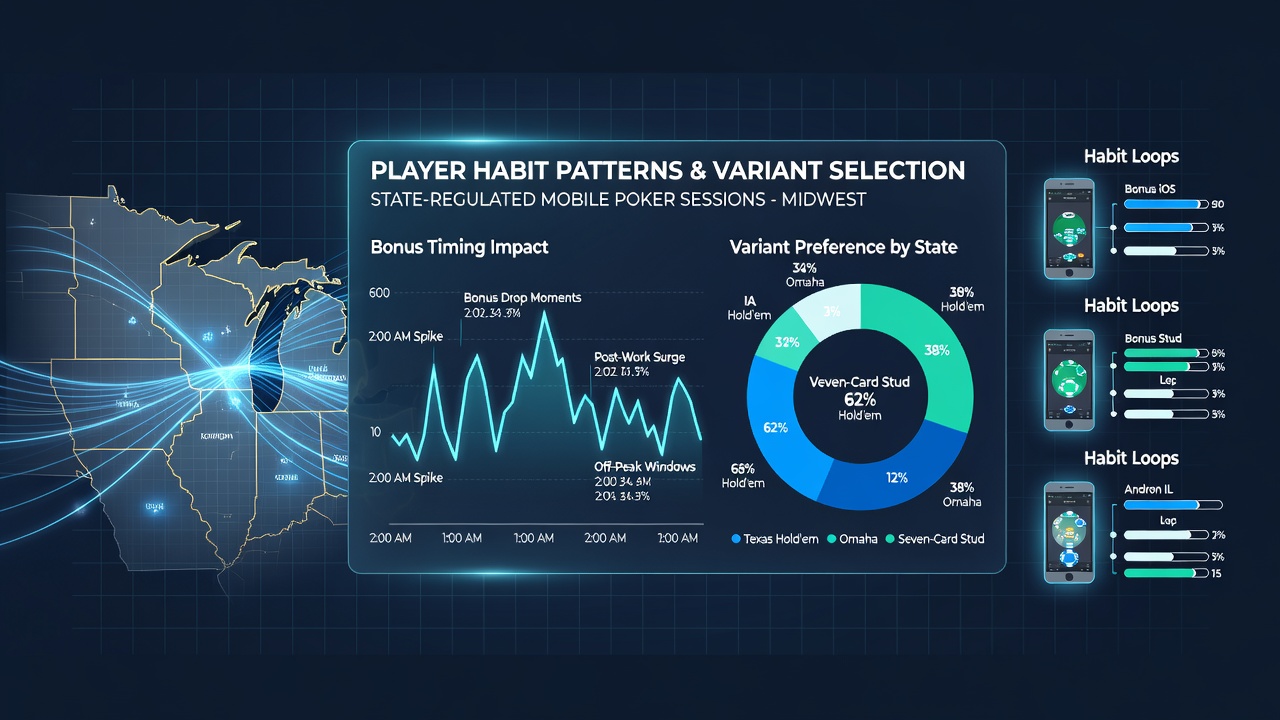
State-regulated mobile poker platforms in the Midwest have shown distinct patterns where players align bonus activation times with specific game variants, and regulatory data from bodies like the Michigan Gaming Control Board tracks these behaviors across Illinois, Michigan, and Indiana markets. Players often schedule sessions around promotional windows that coincide with peak hours for certain poker formats, which influences their choices between Texas Hold'em, Pot-Limit Omaha, and Stud variants offered through licensed apps.
Bonus timing data reveals that many users activate welcome or reload offers between 6 PM and 10 PM local time, a window that aligns with higher engagement in multi-table tournaments rather than cash games. This pattern emerges because tournament structures allow players to leverage bonus funds across longer sessions without immediate variance pressure from heads-up cash tables. Observers note that the timing creates measurable shifts in variant selection, as Hold'em dominates early evening slots while Omaha sees increased play later when players seek higher action potential from bonus stacks.
Regional Regulatory Tracking of Session Behaviors
Michigan and Illinois gaming commissions compile monthly reports that break down mobile poker activity by variant and time of day, showing consistent correlations between bonus redemptions and format preferences. In August 2026, Illinois data indicated a 12 percent rise in Pot-Limit Omaha selections during bonus-eligible evening periods compared to non-promotional hours, while Michigan figures revealed similar upticks in Stud variant play during afternoon reload windows. These reports link the trends to app features that notify users of expiring bonuses, prompting immediate logins and variant switches based on available tables.
Payment gateway records further connect these habits to deposit timing, where players fund accounts shortly before bonus windows open to maximize playable hands. Researchers examining aggregated session logs find that users who redeem bonuses within the first hour of availability tend to gravitate toward faster-paced variants like Omaha, whereas those who delay activation often stick with Hold'em for its lower average pot sizes and longer decision windows. Such patterns hold across state lines because the underlying app interfaces share similar bonus mechanics under different regulatory frameworks.
Variant Selection Tied to Bonus Windows
Players demonstrate clear preferences when bonuses apply to specific game types, and data from the American Gaming Association's Midwest market summaries illustrates how Hold'em tables fill faster during morning bonus periods while Omaha lobbies grow during late-night promotions. This intersection stems from the way bonuses alter perceived bankroll depth, encouraging riskier variant choices once the promotional funds hit player accounts. Session duration metrics show that bonus-timed entries into multi-table formats extend average playtime by 25 to 40 minutes compared to standard cash sessions without active bonuses.
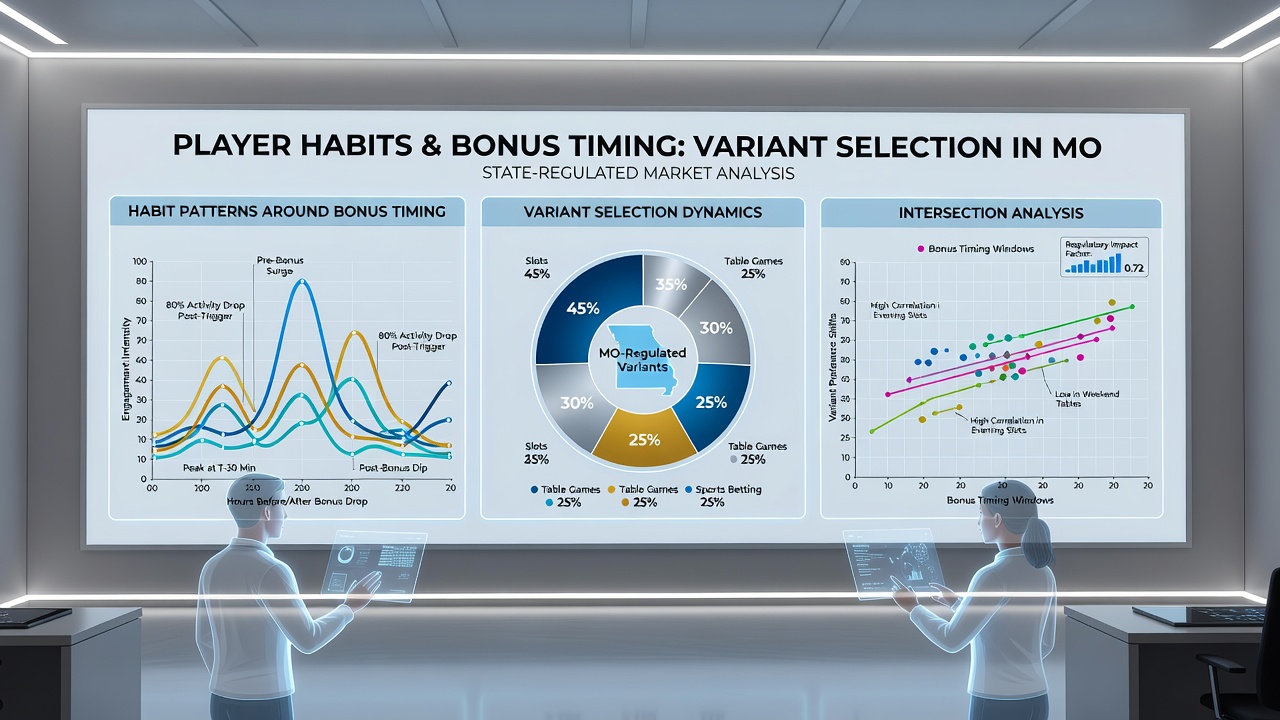
State regulators in Indiana have documented parallel trends through their online gaming oversight reports, where bonus timing influences not only variant choice but also table stake levels selected by players. Lower-stakes Omaha tables see spikes when bonuses activate mid-week, while weekend bonuses correlate with higher-stakes Hold'em entries. These shifts occur because players adjust their risk tolerance based on the remaining bonus wagering requirements, which often favor variants with more hands per hour to meet playthrough thresholds efficiently.
Platform Features and Player Responses
Mobile poker apps licensed in the Midwest incorporate real-time bonus countdowns and variant filters that guide users toward formats matching current promotional conditions. Aggregated user flow data indicates that players frequently switch from cash games to tournaments when bonus timers near expiration, a behavior tied to the need to complete wagering conditions before offers lapse. This creates measurable intersections where variant popularity fluctuates in direct response to bonus schedules rather than random preference alone.
Studies from regional gaming research groups highlight how these patterns repeat across different player cohorts, with recreational users showing stronger alignment between bonus timing and Hold'em selection while more experienced participants favor Omaha during bonus-heavy periods. The consistency across Michigan, Illinois, and Indiana stems from shared app technologies and overlapping player bases that migrate between state-regulated environments. Regulatory filings confirm that these habit intersections remain stable even as new variants enter the market, because bonus mechanics continue to anchor session planning around specific timing cues.
Conclusion
Data from Midwest regulatory sources demonstrates that bonus timing directly shapes variant selection patterns in state-regulated mobile poker, with players adapting choices to maximize promotional value across Hold'em, Omaha, and other formats. These intersections appear consistently in session logs and commission reports, reflecting structured responses to app features rather than isolated decisions. Continued tracking through 2026 and beyond will likely reveal whether emerging variants alter these established timing-based preferences in the region.