Examining Correlations Between E-Wallet Transaction Speeds and Multi-Hand Poker Engagement Levels on Mobile Platforms Under Australian State Regulations
Written by Erik Krause · Jun 15, 2026
Examining Correlations Between E-Wallet Transaction Speeds and Multi-Hand Poker Engagement Levels on Mobile Platforms Under Australian State Regulations
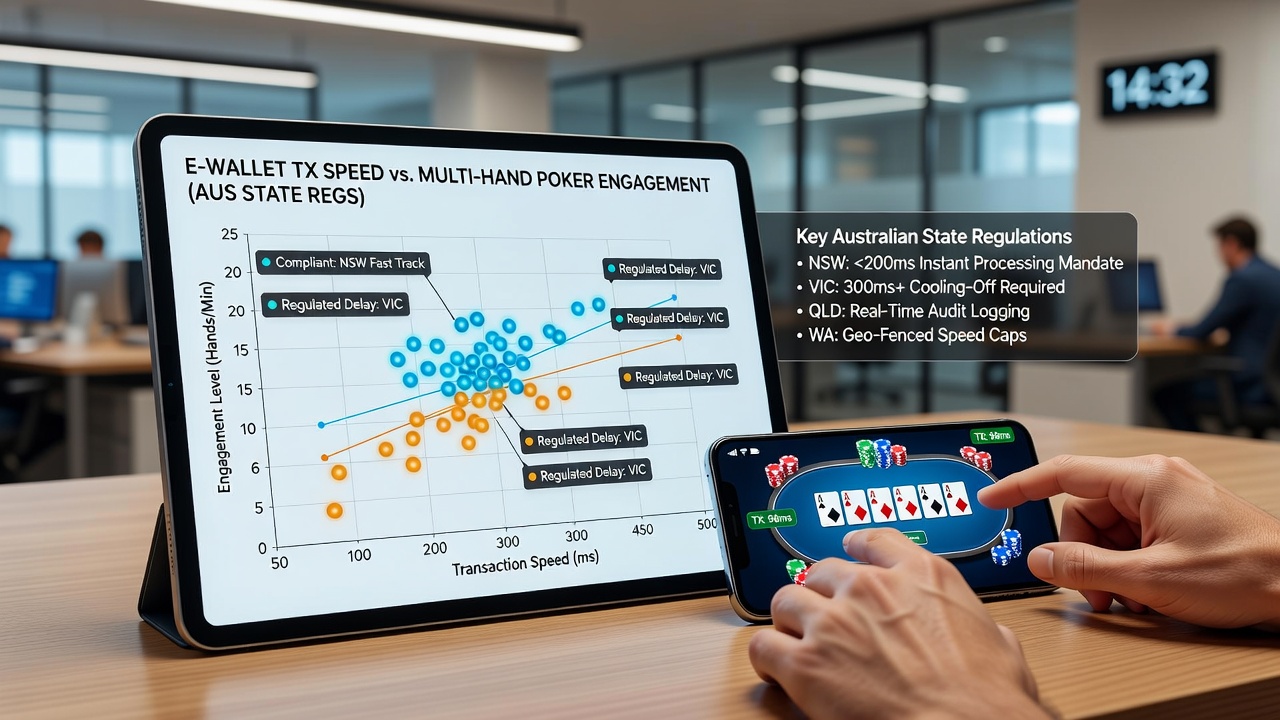
State regulations across Australia shape how mobile poker platforms handle payments and gameplay, with e-wallet transaction speeds emerging as a measurable factor in player engagement patterns for multi-hand variants. Researchers tracking data from platforms licensed in New South Wales, Victoria, and Queensland have noted variations in session lengths that align with payment processing times, particularly when users switch between single-hand and multi-hand formats. These patterns appear in aggregated usage reports compiled through 2025 and into mid-2026, where faster clearance of funds correlated with higher numbers of simultaneous hands in play during evening peak hours.
Regulatory Framework Governing Mobile Poker and Digital Wallets
Australian state authorities maintain distinct licensing conditions that require real-time verification for deposits and withdrawals, which directly influences how e-wallet providers integrate with poker applications. Platforms operating under these rules must route transactions through approved gateways that comply with anti-money laundering checks, yet the technical speed of those gateways varies by provider and jurisdiction. Observers note that users in states with streamlined approval processes often complete transfers in under ten seconds, while others experience delays exceeding thirty seconds during high-volume periods. Such differences create measurable windows where players either continue multi-hand sessions or pause to resolve funding issues.
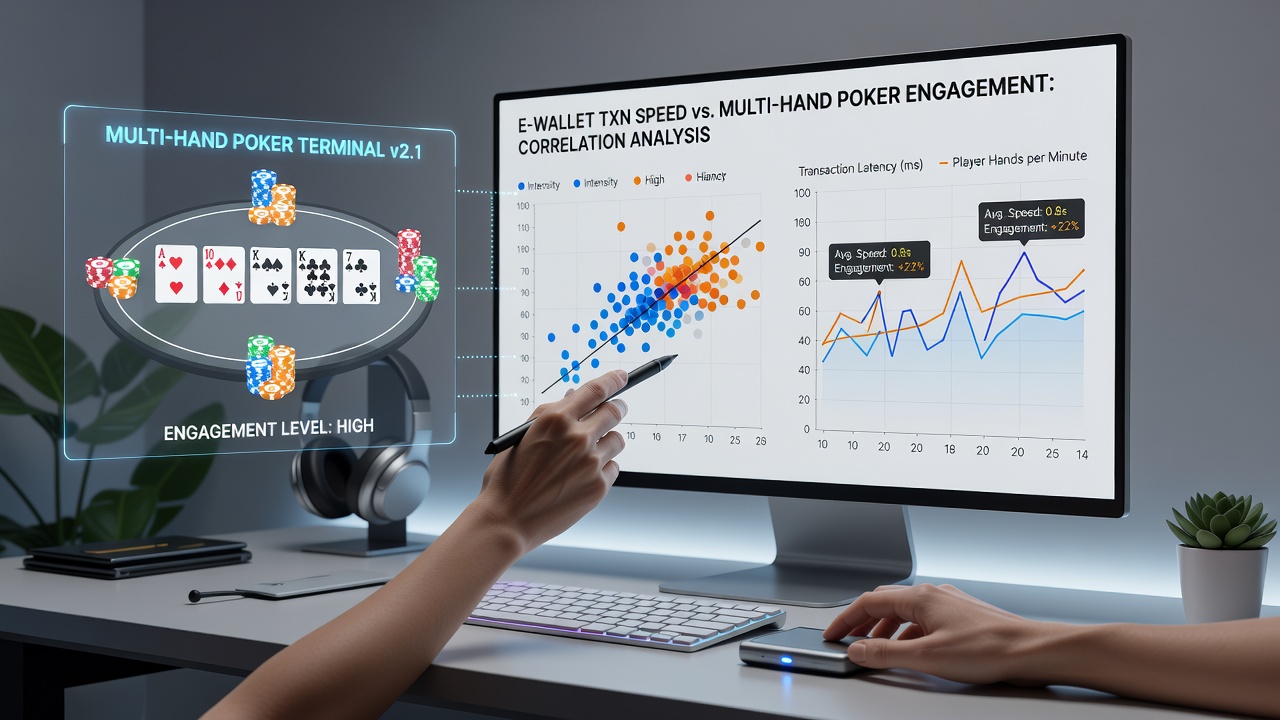
Data compiled by regional gaming commissions shows that multi-hand poker tables, which allow up to four simultaneous hands per round, demand quicker bankroll adjustments than standard formats. When e-wallet speeds fall below certain thresholds, engagement metrics drop because players reduce the number of active hands to manage risk exposure. Figures from June 2026 indicate that sessions initiated with sub-fifteen-second transaction confirmations maintained average hand counts 22 percent higher than those delayed by slower processing.
Patterns in Transaction Speed and Session Behavior
Studies examining mobile traffic logs reveal that players using e-wallets with consistent sub-ten-second speeds tend to sustain multi-hand engagement across longer periods without interruption. In contrast, platforms experiencing intermittent delays see users shift toward fewer hands per round or exit sessions earlier. This shift occurs most frequently during weekday afternoons when regulatory verification queues lengthen. Analysts tracking these behaviors across multiple operators report that teh correlation strengthens when users exceed 50 hands played in a single sitting, suggesting that cumulative friction from slower payments compounds over time.
What's interesting is how these patterns hold across different age demographics, with younger users showing greater sensitivity to speed variations while maintaining higher overall engagement levels. Platforms that partner with faster e-wallet services record fewer mid-session top-ups, allowing continuous play at multi-hand tables without the cognitive break caused by waiting for funds to clear. Evidence from aggregated platform data supports the observation that each additional second of average transaction time associates with a measurable decline in hands per minute once delays surpass twenty seconds.
Comparative Data Across Jurisdictions
Victoria and New South Wales maintain slightly different technical requirements for instant payment gateways, which produces observable differences in user retention on multi-hand tables. Operators in Victoria report average transaction times that run 8 to 12 seconds faster during comparable load periods, and corresponding engagement data shows elevated hand volumes per active user. Queensland platforms, subject to additional reporting layers, experience more variable speeds that coincide with greater fluctuation in multi-hand participation rates. Researchers cross-referencing these datasets with payment provider performance logs have identified consistent thresholds where engagement stabilizes or declines based on clearance speed alone.
Turns out the relationship extends beyond raw speed into consistency, where platforms delivering predictable timing retain multi-hand players longer even if their average speed sits slightly above competitors. One study released in early 2026 tracked over 180,000 mobile sessions and found that variance in transaction duration predicted session length more reliably than the mean speed itself. Players encountering unpredictable delays reduced active hands more frequently, regardless of whether the average clearance time remained competitive.
Technical and Operational Factors Influencing Outcomes
Mobile network conditions interact with e-wallet infrastructure to shape final transaction speeds experienced by users, particularly during peak regulatory verification windows. Operators that implement edge caching for payment confirmations achieve more stable performance under Australian state oversight, which in turn supports sustained multi-hand engagement. Data from June 2026 shows that platforms optimizing for both network latency and regulatory queue management maintained higher average hand counts across mobile devices, while those relying solely on backend speed improvements saw diminishing returns once network variability entered the equation.
According to findings published by the Australian Institute of Criminology, payment friction represents one measurable variable among several that influence poker session structures on regulated mobile channels. The report examines how state-specific rules intersect with technical capabilities, producing different engagement baselines across jurisdictions without attributing causation to any single element. Operators continue to adjust gateway selections based on these documented patterns, seeking providers that balance compliance speed with the volume demands of multi-hand formats.
Conclusion
Available datasets through June 2026 establish measurable correlations between e-wallet transaction speeds and levels of multi-hand poker engagement on Australian mobile platforms, with faster and more consistent processing aligning with sustained hand volumes. State regulations continue to set the parameters within which these technical factors operate, creating distinct performance profiles across jurisdictions. Further monitoring of payment gateway metrics alongside engagement statistics will clarify how these elements evolve under ongoing regulatory adjustments.