Decoding Regional Variations in Blackjack Table Limits for Digital Platforms
Written by Theo Otto · May 28, 2026
Decoding Regional Variations in Blackjack Table Limits for Digital Platforms
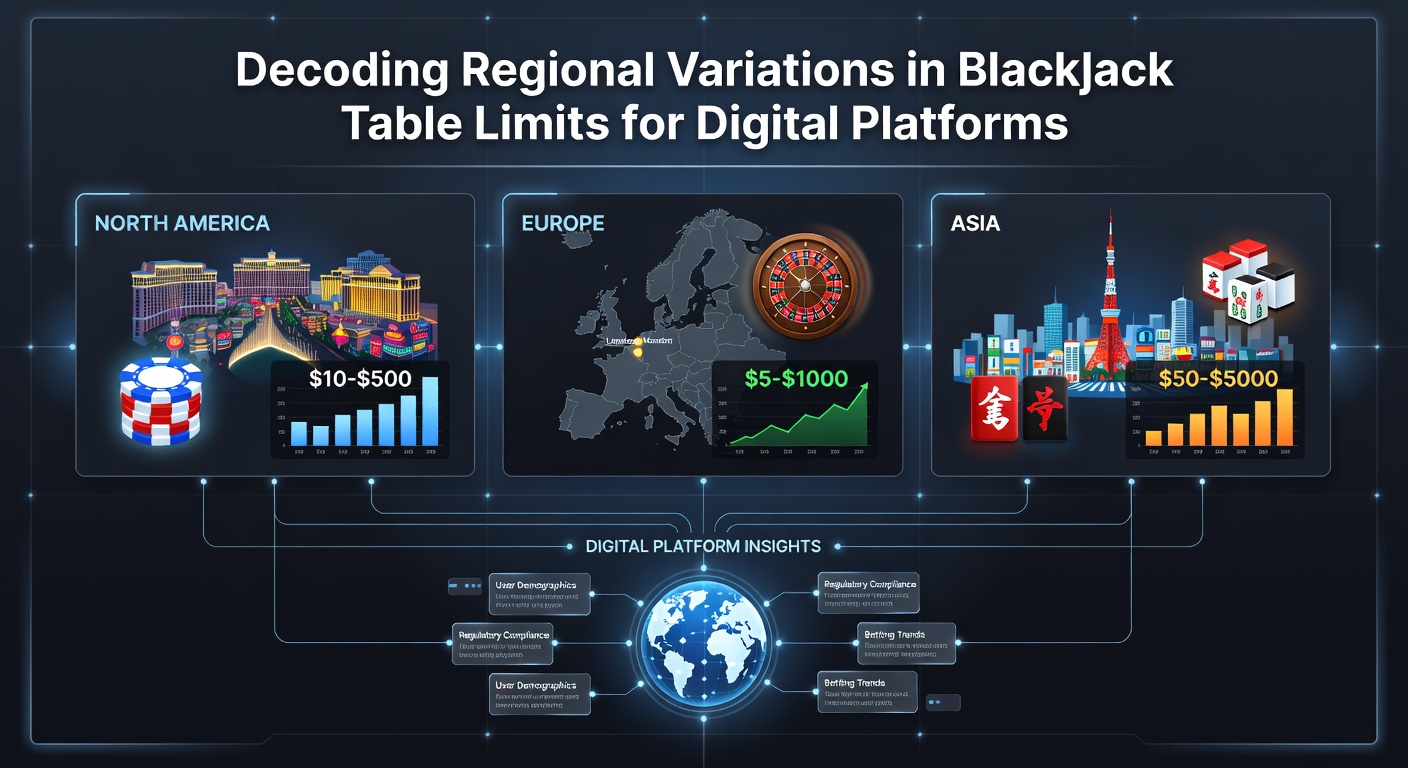
Blackjack table limits on digital platforms differ substantially depending on the regulatory environment in each jurisdiction, and those differences shape everything from minimum bet requirements to maximum wager caps that operators can advertise. Data from licensing authorities shows that platforms licensed in one region often maintain stricter controls than those operating under another set of rules, while player access remains tied to geographic verification systems.
North American Regulatory Patterns
State-level oversight in the United States produces some of the clearest contrasts in blackjack limits, with Nevada platforms historically allowing higher maximum bets compared with newer markets that entered the space after 2018. Regulators in New Jersey and Pennsylvania publish monthly reports that track average table limits, and those figures reveal operators adjusting caps seasonally to match demand from local player pools. Canadian provinces follow a similar provincial model, where Ontario's iGaming framework permits operators to set flexible minimums that start as low as one dollar on certain tables while maintaining separate high-limit rooms for verified users.
As of May 2026 several U.S. states continue to refine their digital gaming statutes, and those updates have begun to standardize how platforms disclose table limits to users at the point of registration. Observers note that these changes reduce confusion for players who move between state-licensed apps yet still encounter different maximum bet thresholds based on the issuing license.
European and Australian Market Structures
European jurisdictions apply licensing conditions that often tie table limits to responsible gaming metrics, which means operators must demonstrate that their maximum bets align with player protection guidelines before receiving approval. Platforms serving multiple EU countries typically segment their blackjack offerings so that users in one nation see different limit ranges than users in another, even when accessing the same software provider. Australian regulators take a comparable approach through the Australian Communications and Media Authority, and ACMA compliance data indicates that digital blackjack products must publish clear limit information in every promotional material.
What's interesting is how these rules intersect with currency conversion and cross-border play restrictions; platforms must recalculate limits in local denominations while preserving the underlying regulatory intent of the license. This creates situations where a table advertised at a fifty-dollar minimum in one market appears at a noticeably different threshold once the same software loads for a user in another region.
Asian Digital Gaming Frameworks
Asian markets present additional layers of variation because several jurisdictions maintain outright prohibitions on domestic online casino play while neighboring regions permit tightly controlled operations. Platforms licensed in the Philippines or Macau-adjacent territories often carry higher maximum limits to attract international traffic, whereas platforms accessible within stricter Asian markets focus on lower-stakes tables that comply with local financial transaction rules. Researchers tracking these patterns have documented cases where operators adjust blackjack limits weekly in response to regulatory circulars that arrive without advance notice.

One study revealed that platforms serving Asian users frequently incorporate dynamic limit engines that respond to real-time compliance checks, and those engines prevent bets from exceeding caps even when the player attempts to raise stakes mid-session. The result is a fragmented experience where the same game title carries entirely different risk parameters depending on the detected location of the account.
Technical and Operational Influences
Software providers that supply blackjack engines to multiple operators must build configurable limit modules that satisfy each licensing body without requiring separate codebases. This technical requirement explains why many platforms list region-specific tables rather than a single universal lobby. Industry reports from gaming technology conferences indicate that the majority of limit adjustments occur during scheduled maintenance windows rather than in real time, which gives regulators advance visibility into proposed changes.
Payment processor integrations add another constraint because certain financial rails impose their own transaction ceilings that sit below the platform's advertised table maximum. Operators therefore publish effective limits that already incorporate these external restrictions, and users encounter the final number only after completing identity verification.
Conclusion
Regional variations in blackjack table limits on digital platforms stem directly from differences in licensing conditions, currency rules, and responsible gaming requirements that each jurisdiction enforces. Platforms adapt by segmenting their offerings and deploying location-aware compliance tools that keep every table within the boundaries set by the relevant authority. Continued regulatory updates, including those scheduled through May 2026, will likely maintain these distinctions rather than produce uniform global standards.