Allocation Mechanisms for Progressive Rewards in Cross-Border Digital Slot Environments
Written by Viktor Otto · Jul 11, 2026
Allocation Mechanisms for Progressive Rewards in Cross-Border Digital Slot Environments
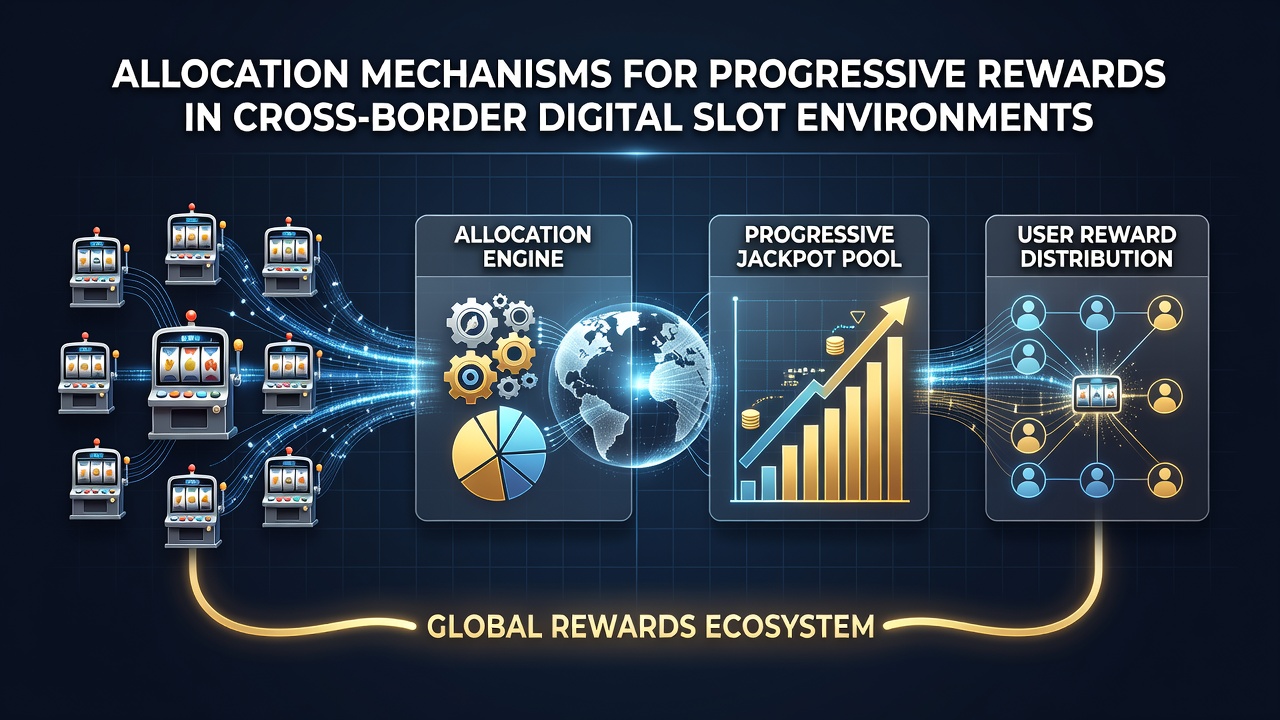
Progressive reward systems in digital slot platforms that operate across national borders rely on coordinated allocation mechanisms to pool contributions from players in different regulatory zones while distributing payouts according to predefined rules. These systems aggregate small percentages of each wager into growing prize pools that reset after major wins yet continue building through ongoing play. Operators must navigate varying tax treatments, player eligibility standards, and data-sharing requirements that differ between markets such as those overseen by the Nevada Gaming Control Board and provincial authorities in Canada.
Core Funding Structures
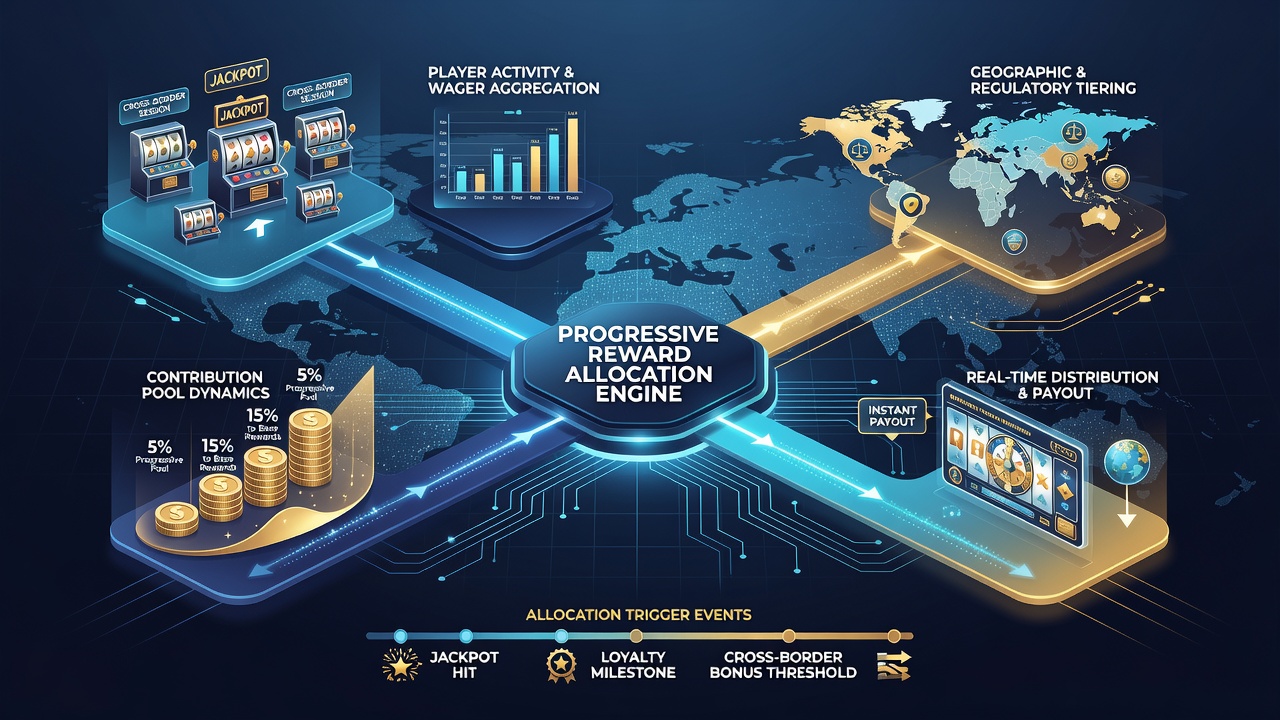
Allocation begins with contribution rates typically ranging from 0.5 to 3 percent of every qualifying bet added to central or linked pools. In cross-border setups, software platforms segment these contributions by player location to satisfy local licensing conditions while still allowing the overall pool to increase in real time. Data from industry reports indicate that synchronized ledgers maintained by third-party auditors track contributions from European and Asian markets separately even as the visible jackpot meter updates uniformly for all participants.
Distribution Algorithms and Trigger Conditions
Once a pool reaches a predetermined threshold or hits a random number generator outcome, the system triggers a payout. Algorithms often incorporate weighted factors including wager size, session duration, and loyalty tier to determine which player receives the reward. Cross-border platforms employ geo-fencing and IP verification layers to confirm eligibility before releasing funds, which prevents violations of jurisdictional bans on certain prize structures. Observers note that multi-tiered progressive systems sometimes divide pools into local, regional, and global layers, each governed by its own reset value and contribution split.
Regulatory Variations Across Regions
July 2026 saw updated guidelines from the Australian Communications and Media Authority requiring clearer disclosure of how cross-border contributions affect prize calculations for Australian players. Similar scrutiny appears in emerging frameworks from the Malta Gaming Authority, where operators must demonstrate that allocation logic treats participants equitably regardless of their country of residence. These rules address concerns over currency conversion timing and tax withholding that can alter the final amount delivered to winners in different locations.
Technical Implementation Challenges
Latency management becomes critical when contributions travel between servers located on separate continents. Platforms use distributed ledger technology to record each micro-contribution with timestamps that allow reconciliation even during network interruptions. Research from the University of Nevada Reno gaming laboratory highlights how encryption standards and real-time auditing protocols reduce discrepancies that previously arose in multi-jurisdiction progressive networks.
Player Eligibility and Compliance Layers
Operators apply automated checks at the point of wager to exclude players from jurisdictions where progressive participation is restricted. These filters integrate with payment processors to block or redirect funds accordingly. Industry associations such as the European Gaming and Betting Association have published technical specifications that standardize data fields operators must transmit when a progressive win crosses borders, ensuring tax authorities receive accurate reporting without delaying player payouts.
Future Developments in Pool Management
Advances in blockchain-based settlement systems allow operators to create immutable records of contribution history that regulators in multiple countries can review independently. Several platforms tested hybrid models during 2025 that combined centralized jackpot controllers with localized sub-pools, reducing exposure to single-point failures while maintaining the excitement of rapidly growing global prizes. Figures from regulatory filings show increased adoption of these segmented approaches in markets where cross-border play volumes continue to rise.
Conclusion
Allocation mechanisms for progressive rewards in cross-border digital slot environments combine technical precision with layered regulatory compliance to maintain fair and transparent prize distribution. As platforms expand into additional markets, the need for standardized yet flexible systems grows, supported by ongoing collaboration between operators, auditors, and government agencies. These structures enable sustained player engagement while respecting the distinct legal requirements that define each participating jurisdiction.